





UNIT 616 6/F KAM TEEM INDUSTRIAL BUILDING 135 CONNAUGHT ROAD WEST SAI WAN HONGKONG.
Copyright © 2026 NOVABEYOND LIMITED (company number 2833487). All rights reserved.
Reflecting on MediaGo’s Q1 2026 campaign performance, clear category-level trends emerged across e-commerce verticals. Success wasn’t driven by individual SKUs, but by consumer intent clusters: health improvement, home upgrades, financial optimization, and practical lifestyle consumption.
Novabeyond analyzed Q1 campaign activity to identify categories that consistently delivered scalable results, alongside several representative examples and execution strategies.
Q1 2026 E-commerce Hitlist
Q1 performance favored products delivering practical value, personal improvement, or everyday comfort. Categories tied to ongoing needs rather than short-term trends, showed the most stable conversion efficiency.
1. Health, Beauty & Personal Wellness
Health and self-care remained top-performing sectors throughout Q1. Consumers continued prioritizing products linked to aging management, recovery, and daily wellness routines.
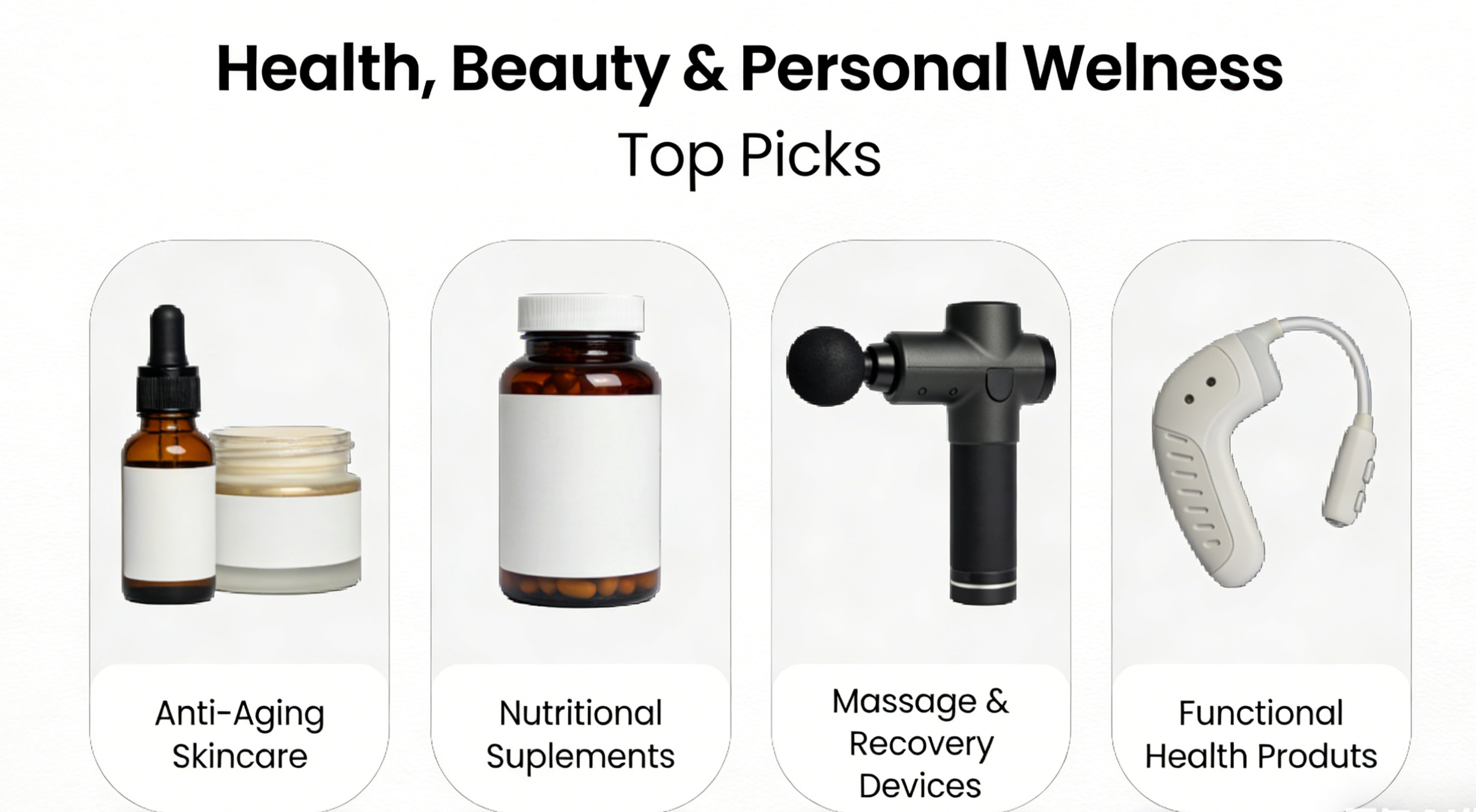
Typical Winning Products
• Massage and recovery devices
• Anti-aging skincare and beauty products
• Nutritional supplements and fitness nutrition
• Functional health products (e.g., hearing devices, specialty creams)
Why It Worked
• Clear problem–solution positioning increased purchase confidence.
• Educational creatives built trust for higher-consideration items.
• Repeat-use potential supported stronger LTV expectations.
Q1 Pattern: Consumers responded best to measurable outcomes rather than aspirational branding.
2. Apparel, Footwear & Lifestyle Accessories
Fashion categories maintained steady performance when positioned around functionality and seasonal practicality rather than fast fashion trends.
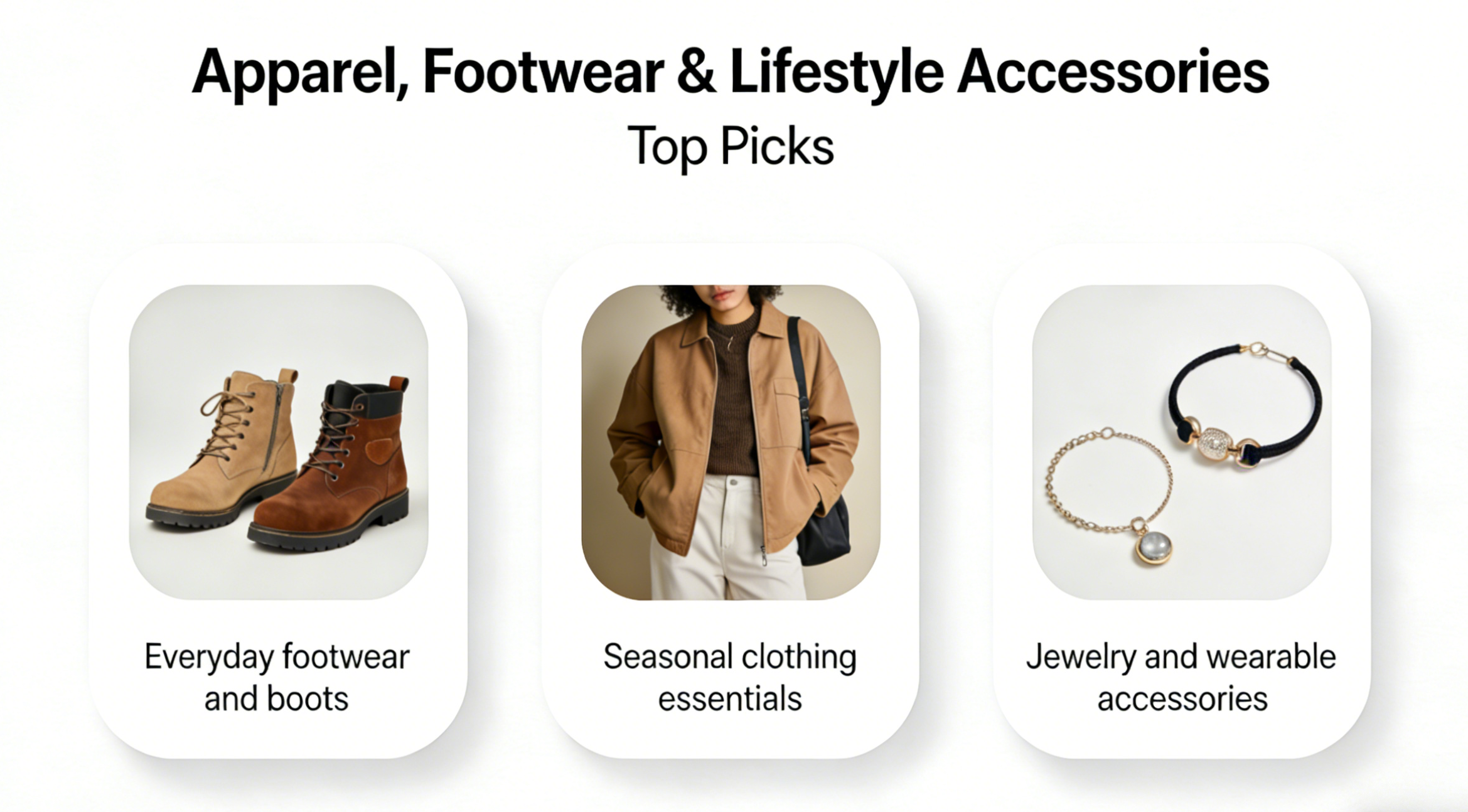
Typical Winning Products
• Everyday footwear and boots
• Seasonal clothing essentials
• Jewelry and wearable accessories
Why It Worked
• Lifestyle imagery helped users visualize real-world usage.
• Emotional positioning drove strong engagement for commemorative and meaningful items.
• Highlighting authentic materials and craftsmanship built trust and justified higher price points.
• Bundling complementary items increased order value.
Q1 Pattern: Fashion success was driven by a dual approach—everyday utility and emotionally resonant, high-quality craftsmanship consistently outperformed fast fashion trends..
3. Home Living & Comfort-Oriented Products
Home-related products continued gaining momentum as consumers invested in daily environments and personal comfort.
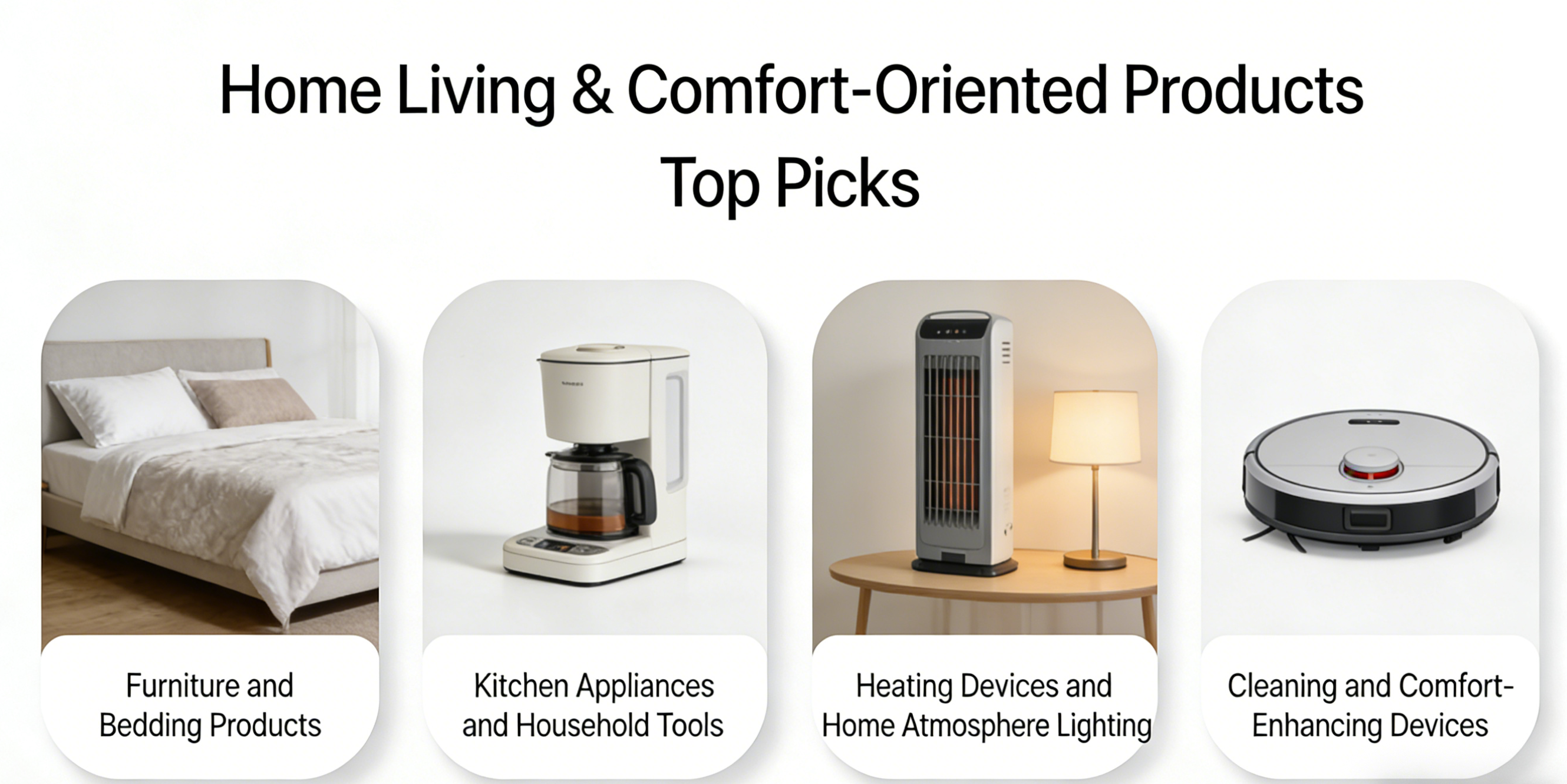
Typical Winning Products
• Furniture and bedding products
• Kitchen appliances and household tools
• Heating devices and atmosphere lighting
• Cleaning and comfort-enhancing devices
Why It Worked
• Demonstrating convenience or comfort improvements drove engagement.
• Real-life usage scenarios outperformed studio-style visuals.
• Sleep quality and home efficiency messaging performed exceptionally well.
Q1 Pattern: Products tied to everyday routines generated stable demand regardless of seasonality.
4. Consumer Electronics & Practical Tech
Electronics remained a reliable conversion category, especially products offering clear functional upgrades.
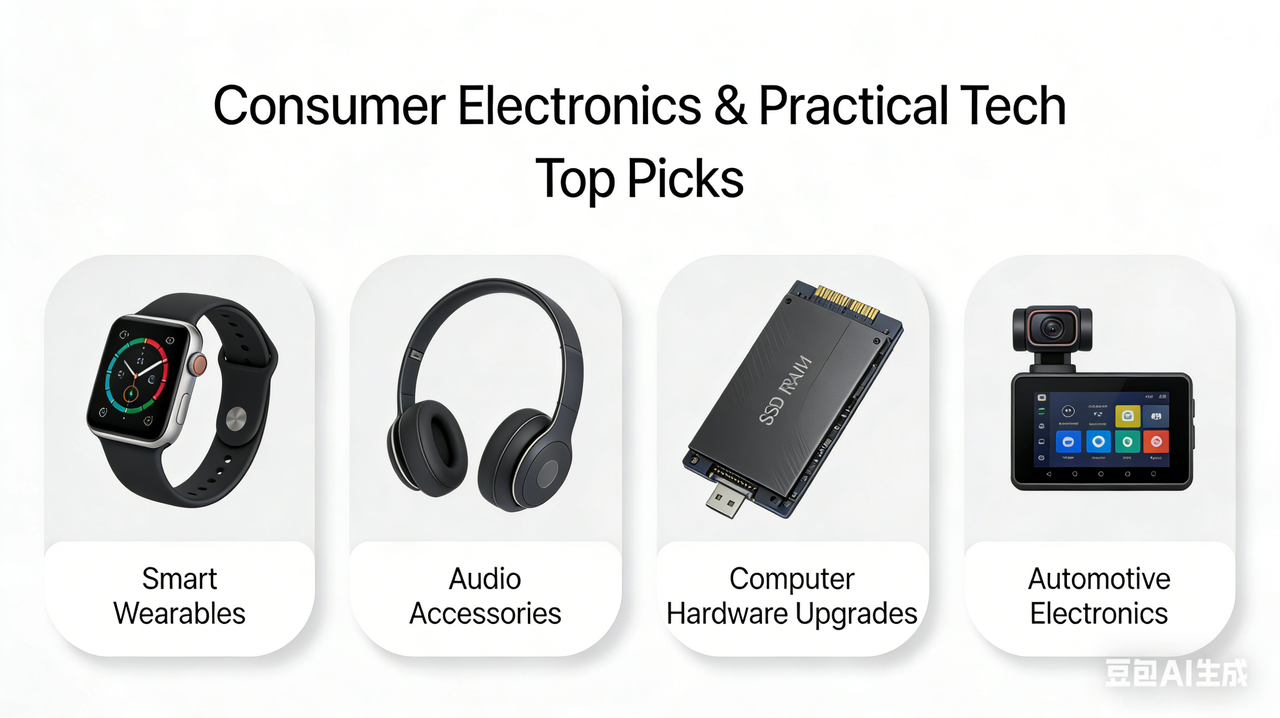
Typical Winning Products
• Smart wearables
• Audio accessories
• Computer hardware upgrades
• Automotive electronics
Why It Worked
• Specification clarity reduced decision friction.
• Upgrade narratives encouraged action.
• Utility-based messaging aligned with research-driven buyers.
Q1 Pattern: Practical tech upgrades outperformed novelty gadgets.
What Advertisers Should Learn From Q1 benchmark (Beyond Categories)
While category trends provides directional insight, the stronger signal from Q1 lies in campaigns execution. Top-performing advertisers shared several operational behaviors:
1. Start With Intent, Not Product
Successful campaigns began by identifying existing consumer problems: sleep quality, mobility limitations, rising household costs, or daily efficiency improvements.
Products positioned as solutions to recognized pain points scaled significantly faster than discovery-led campaigns focused purely on product exposure.
Execution Tip
• Build campaign angles around user situations, not product features.
• Test headlines framed as outcomes rather than descriptions.
2. Creative Functioned as Education, Not Promotion
High-performing creatives acted as short tutorials or demonstrations rather than traditional promotional ads.
Winning formats included: before/after scenarios, guided walkthroughs, comparison-style messaging, and real-use demonstrations.
Execution Tip
• Allocate creative testing budget toward explanatory formats.
• Treat creatives as the first step of product understanding.
3. Lower Commitment Entry Points Increased Conversion Volume
Reducing psychological friction during early interaction stages significantly improved conversion efficiency. Softer entry points encouraged users to engage before making purchase decisions.
Examples:
• “Explore options”
• “View product details”
• “See how it works”
Execution Tip
• Introduce low-friction engagement steps before pushing purchase urgency.
• Optimize landing experiences for gradual decision-making rather than immediate checkout pressure.
4. Category Expansion Outperformed Single-Offer Scaling
Rather than scaling one winning SKU indefinitely, successful advertisers expanded horizontally into related consumer needs.
Example ecosystem logic:
• Sleep → bedding → lighting → recovery devices
• Home upgrade → energy-efficient tech → comfort appliances → maintenance tools
• Personal wellness → skincare → muscle recovery → daily health devices
Execution Tip
• Build campaign clusters sharing audience intent.
• Reuse creative and audience learnings across adjacent categories.
Q2 2026 Outlook & Strategic Recommendations
Based on Q1 performance patterns, several opportunities will likely shape Q2 success:
1. Shift Messaging Toward Outcomes
Focus on measurable benefits: better sleep, lower bills, improved mobility, and daily convenience.
2. Prepare Seasonal Transition Creatives
Gradually pivot Q2 campaigns toward seasonal shifts and event-driven demand:
• Outdoor lifestyle, personal appearance, and fitness resets
• Early-summer cooling equipment and home upgrades
• Consumption tied to major sporting events (e.g., 2026 World Cup)
3. Expand Category Ecosystems
Instead of promoting single products, build product ecosystems around related needs to increase scalability and lifetime customer value.
4. Invest Earlier in Creative Testing
Winning advertisers in Q1 refreshed creatives frequently, identifying scalable angles faster and reducing ad fatigue.
5. Strengthen Mid-Funnel Education
Guides, comparisons, and explanatory content will become essential as users research more before purchasing.
These insights are based on Novabeyond’s review of MediaGo‘s Q1 2026 campaign performance. Understanding category-level momentum helps advertisers prioritize budgets and enter Q2 with clear growth directions.
As MediaGo evolves its traffic ecosystem and optimization capabilities, winning categories and execution strategies will inevitably shift throughout the year.
As an official MediaGo agency partner, Novabeyond will continue monitoring campaign performance patterns across regions and verticals, translating platform signals into practical guidance.
For advertisers navigating an increasingly intent-driven landscape, staying aligned with platform dynamics is becoming as important as choosing the right product or offer.
We look forward to helping brands and performance teams adapt faster, test smarter, and capture emerging growth opportunities in the quarters ahead.
more posts
MediaGo URL Pre-Approval: Landing Page Checklist and Fixes
October. 30 2026
LEARN MORE

Beyond the Duopoly: The 2027 Guide to Alternative Traffic Sources and Emerging Media Solutions
October. 26 2026
LEARN MORE
Taboola Agency Ad Account Setup: Access, Funding & Compliance
October. 16 2026
LEARN MORE
Moloco Ads Optimization: Surviving the Learning Phase and Scaling iROAS (2026)
October. 08 2026
LEARN MORE