





UNIT 616 6/F KAM TEEM INDUSTRIAL BUILDING 135 CONNAUGHT ROAD WEST SAI WAN HONGKONG.
Copyright © 2026 NOVABEYOND LIMITED (company number 2833487). All rights reserved.
Introduction: Why Traffic Arbitrage Still Matters in 2026
Traffic arbitrage has always been about one core principle: acquiring traffic at a lower cost and monetizing it at a higher value. While the concept hasn’t changed, the environment has.
By 2026, traffic arbitrage is no longer a “quick win” tactic. Rising media costs, stricter platform policies, smarter algorithms, and more demanding users are reshaping the game. Arbitrage is evolving into a data-driven, AI-powered, compliance-first performance model.
This article breaks down the key traffic arbitrage trends for 2026, the most effective tools to stay competitive and actionable strategies to build sustainable arbitrage systems.
Key Traffic Arbitrage Trends in 2026
1. Video-First Arbitrage Is No Longer Optional
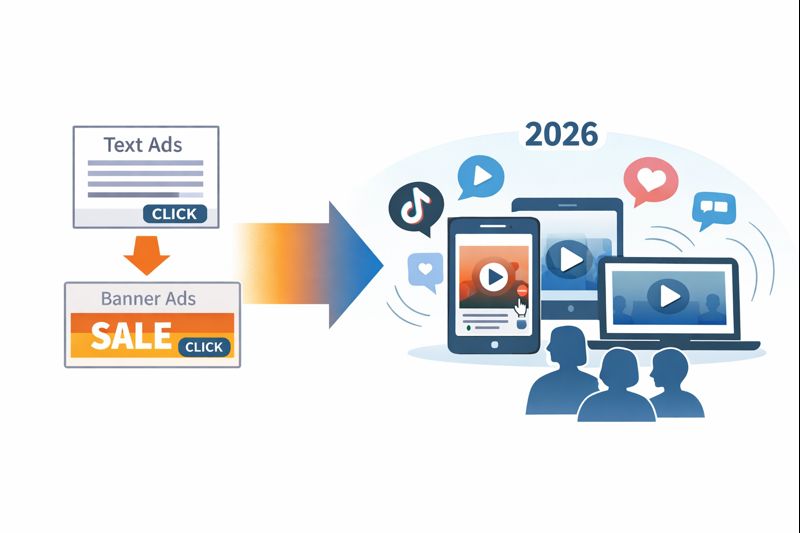
Text-based clickbait and static creatives are rapidly losing effectiveness. In 2026, short-form video dominates traffic acquisition, especially across social and native channels.
Why video wins:
• Higher CTR and engagement
• Better storytelling for pre-qualification
• Native alignment with platform algorithms
For arbitrageurs, landing pages, advertorials, and even pre-landers are shifting toward short explainer videos, UGC-style creatives and dynamic visual storytelling. If your funnel doesn’t include video, you’re already paying a premium for lower-quality traffic.
2. AI Becomes the Core Engine of Arbitrage
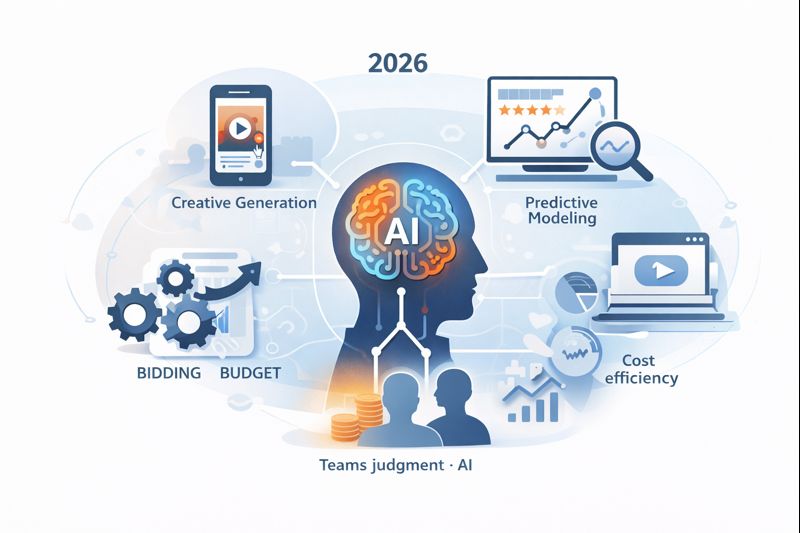
AI is no longer a productivity boost, it has become the foundation of modern arbitrage operations. In 2026, it is deeply embedded across key functions, from creative generation and iteration to automated bid and budget optimization, real-time traffic quality scoring, and predictive performance modeling.
As a result, competitive advantage now depends on how effectively AI is integrated into decision-making. The strongest teams combine automation with human judgment and use AI to scale testing and learning without proportionally increasing costs.
3. Platform Costs Rise, Alternative Traffic Gains Value
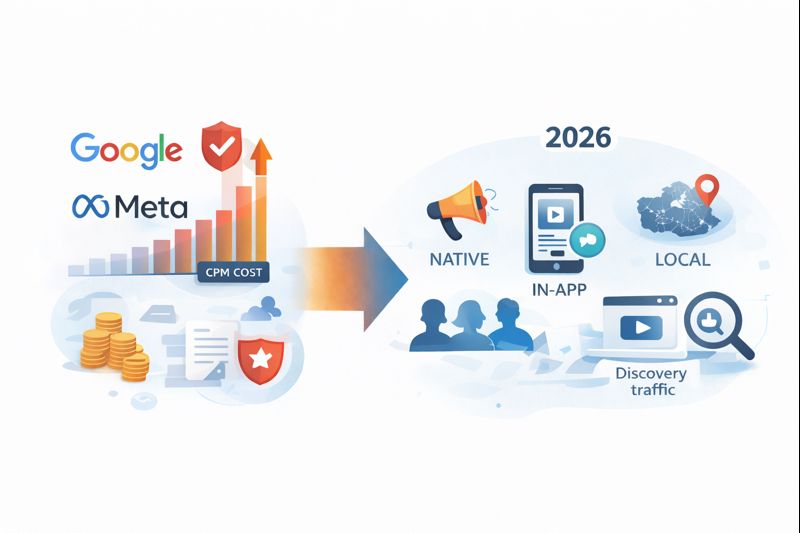
Major platforms like Google and Meta continue to raise the barrier, with higher CPMs, stricter review processes, and faster account enforcement becoming the norm.
As a result, arbitrage is steadily expanding into alternative and emerging channels, including native and discovery traffic, in-app placements, community-driven and contextual environments, as well as region-specific platforms with lower competition. In this landscape, diversification is no longer optional, it is a matter of survival.
4. Compliance & Traffic Quality Become Profit Multipliers
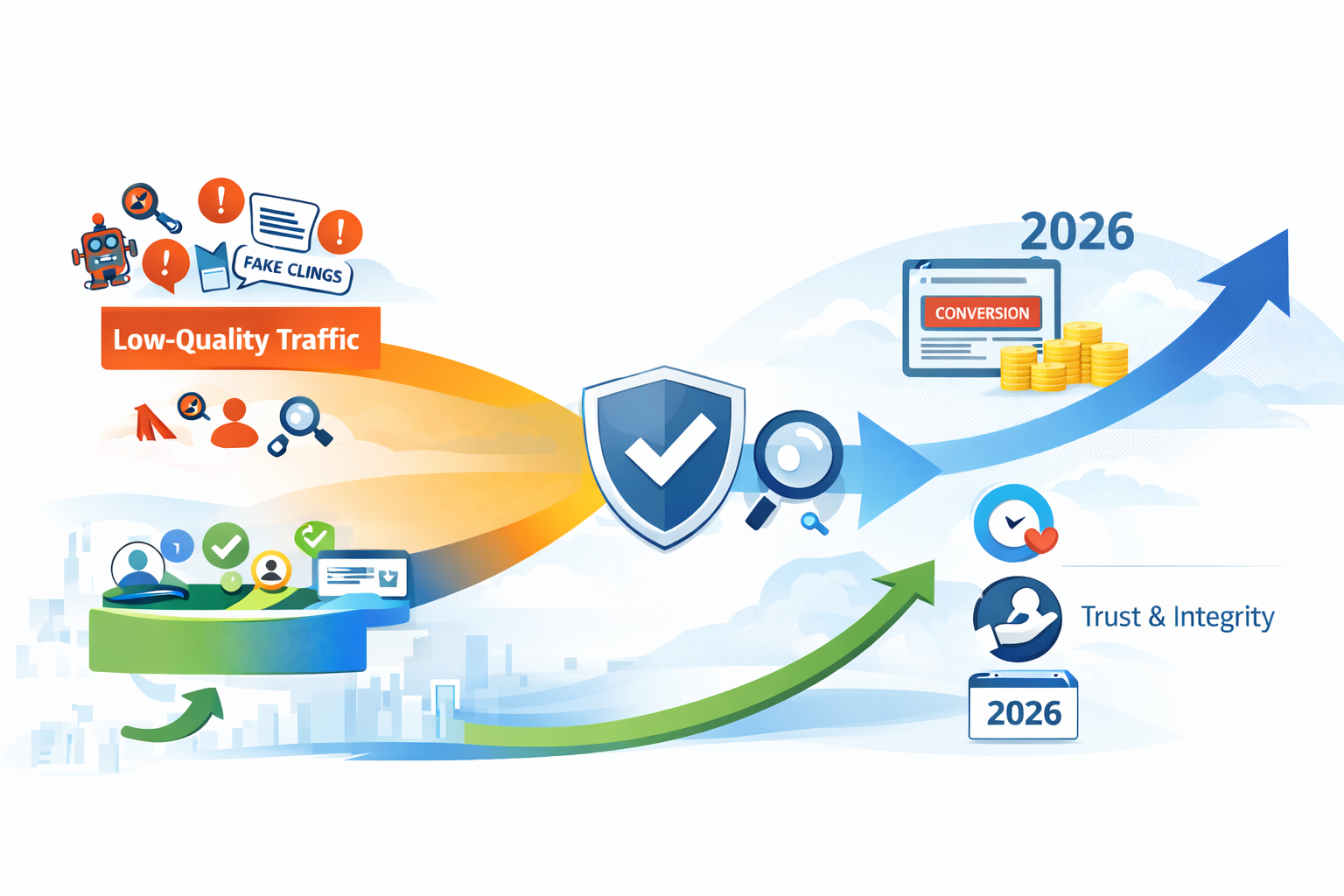
Low-quality or misleading traffic is being filtered faster than ever as algorithms increasingly evaluate post-click user behavior, engagement depth, bounce and dwell patterns, and conversion integrity. In 2026, clean traffic not only converts better but also lasts longer.
As a result, arbitrage models that prioritize transparent messaging, accurate user intent matching, and effective quality filtering consistently outperform short-term, aggressive tactics.
5. Arbitrage Shifts from CPA Thinking to LTV Thinking
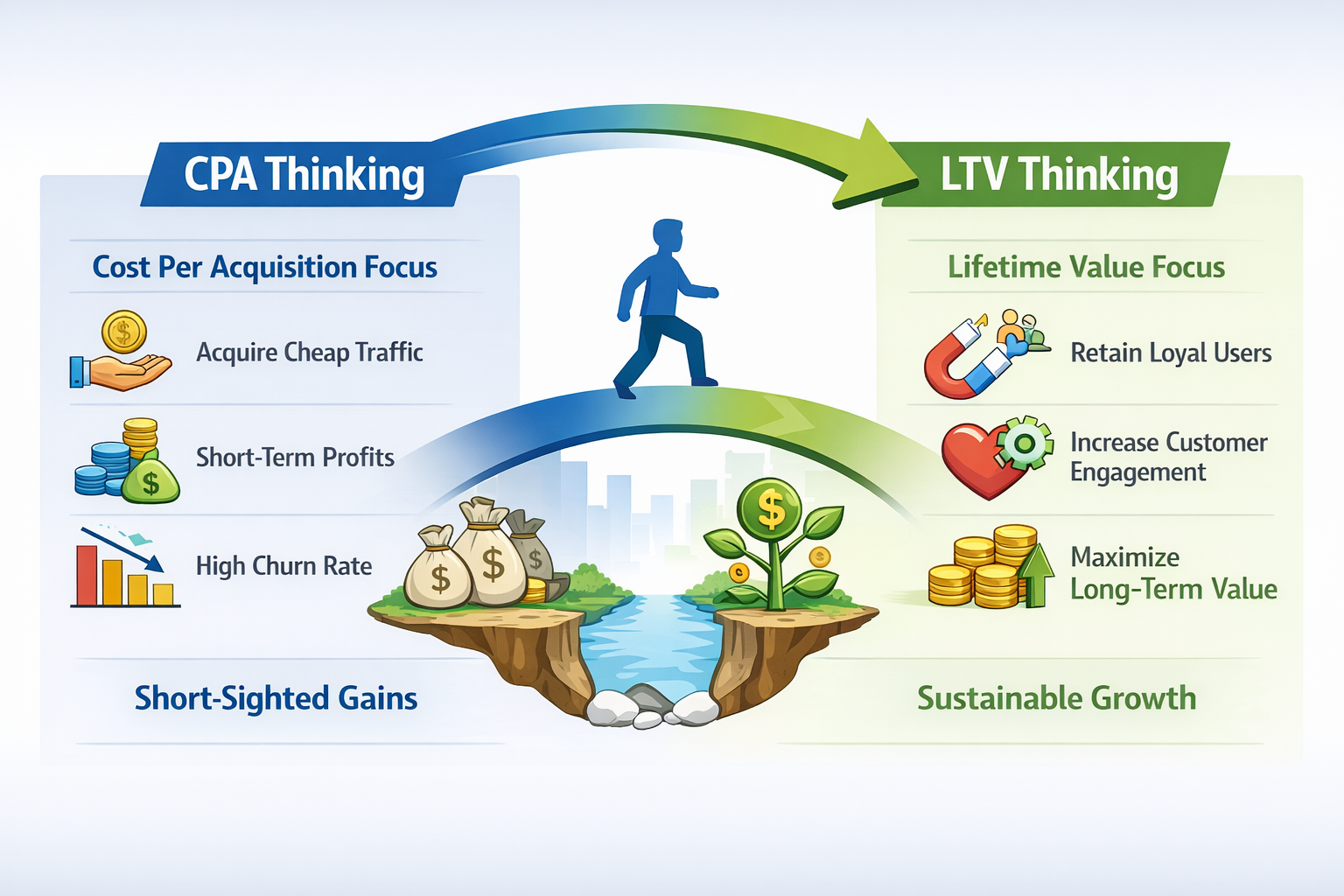
Pure “click-to-conversion” arbitrage is increasingly being replaced by value-based monetization. Successful operators now focus on retention funnels, email and push re-engagement, multi-step monetization paths, and long-term user value. The key question is no longer whether a click is converted, but what that user is worth over time.
Essential Traffic Arbitrage Tools for 2026
1. Tracking & Attribution Tools
| Tool | Best For |
| Clickflare | Search arbitrage & affiliate tracking with rule-based routing and automation |
| Keitaro | Flexible self-hosted tracking for web & affiliate campaigns |
| Binom | High-performance click tracking for large-scale traffic testing |
| AdsBridge | Integrated tracking with landing pages and traffic distribution |
| BeMob | Cost-effective multi-channel tracking for small to mid-size teams |
2. Account Safety & Environment Management
| Tool | Use Case |
| AdsPower | Multi-account browser management for media buying teams |
| Dolphin Anty | Fingerprint isolation for large-scale ad account operations |
| GoLogin | Secure team collaboration with isolated browser profiles |
| Multilogin | Enterprise-grade browser fingerprint management |
| Kameleo | Advanced fingerprint customization for complex environments |
3. Creative & Content Generation Tools
| Tool | Purpose |
| ChatGPT / Claude | Ad copy ideation, headlines, and advertorial drafts |
| Canva / Figma | Static creative design and layout collaboration |
| CapCut | Short-form video editing for social and native ads |
| Pictory / InVideo | Template-based video ads for rapid testing |
| HeyGen / Synthesia | AI avatar videos for explainer-style creatives |
4. Landing Page & CRO
| Tool | Purpose |
| Unbounce | Rapid landing page deployment with built-in A/B testing |
| Instapage | Conversion-focused landing pages with ad integrations |
| ClickFunnels | Multi-step funnels for complex affiliate flows |
| PureLander | Lightweight landing page builder for quick setup |
| Landingi | Template-driven landing pages for beginners |
Conclusion
By 2026, traffic arbitrage is no longer about exploiting gaps; it is about engineering performance. The winners will be those who embrace AI and automation, invest in traffic quality, think beyond single conversions, and build compliant, scalable systems. Traffic arbitrage isn’t disappearing, it’s growing up.
more posts
2027 Mobile Marketing Trends: 4-Pillar Strategy for Global App Growth
October. 22 2026
LEARN MORE


Diversified Acquisition Strategies for Global Advertisers: A Framework for Evaluating New Channels
September. 11 2026
LEARN MORE
The Hidden Cost of Platform Dependency: What One Policy Change Can Destroy
August. 27 2026
LEARN MORE
How Incremental Growth Is Changing Performance Marketing
August. 25 2026
LEARN MORE