




UNIT 616 6/F KAM TEEM INDUSTRIAL BUILDING 135 CONNAUGHT ROAD WEST SAI WAN HONGKONG.
Copyright © 2026 NOVABEYOND LIMITED (company number 2833487). All rights reserved.
Over the past few years, the mobile ad ecosystem has evolved faster than most expected. Channels, inventory, and ad tech tools continue to change at a rapid pace. Yet one variable remains the ultimate driver of performance: the quality of user attention. Among the many factors that influence attention, ad format plays a pivotal role.
Ad format is more than just a visual style, it's a strategic lever. It directly affects exposure efficiency, click motivation, activation rates, retention, and the depth of the conversion journey. Different app categories, growth objectives, and stages of the user lifecycle demand different format strategies. Following “popular formats” blindly can waste budget, while aligning formats with the user’s cognitive state can significantly improve efficiency without increasing spend.
This article explains why ad format matters, compares major mobile ad formats, and offers scenario-based guidance to help marketers design high-efficiency format strategies.
Why Mobile Ad Format Determines Performance
A mature performance strategy isn’t about “buying traffic”; it’s about persuading users to care. Different ad formats create entirely different persuasion contexts.
A common misconception is: the more interruptive the ad, the better the performance.
In reality, the best format isn’t necessarily the most intrusive—it’s the one that matches the user’s current mindset. A casually scrolling user and a goal-driven user are in completely different psychological states, and they will perceive the same ad very differently.
In essence, selecting an ad format is about matching the user’s mental availability with your message delivery.
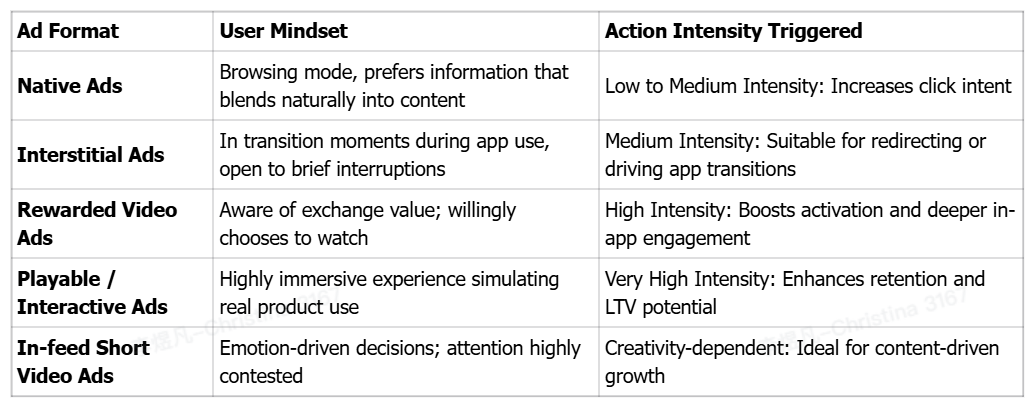
Common Mobile Ad Formats
1. Native Ads
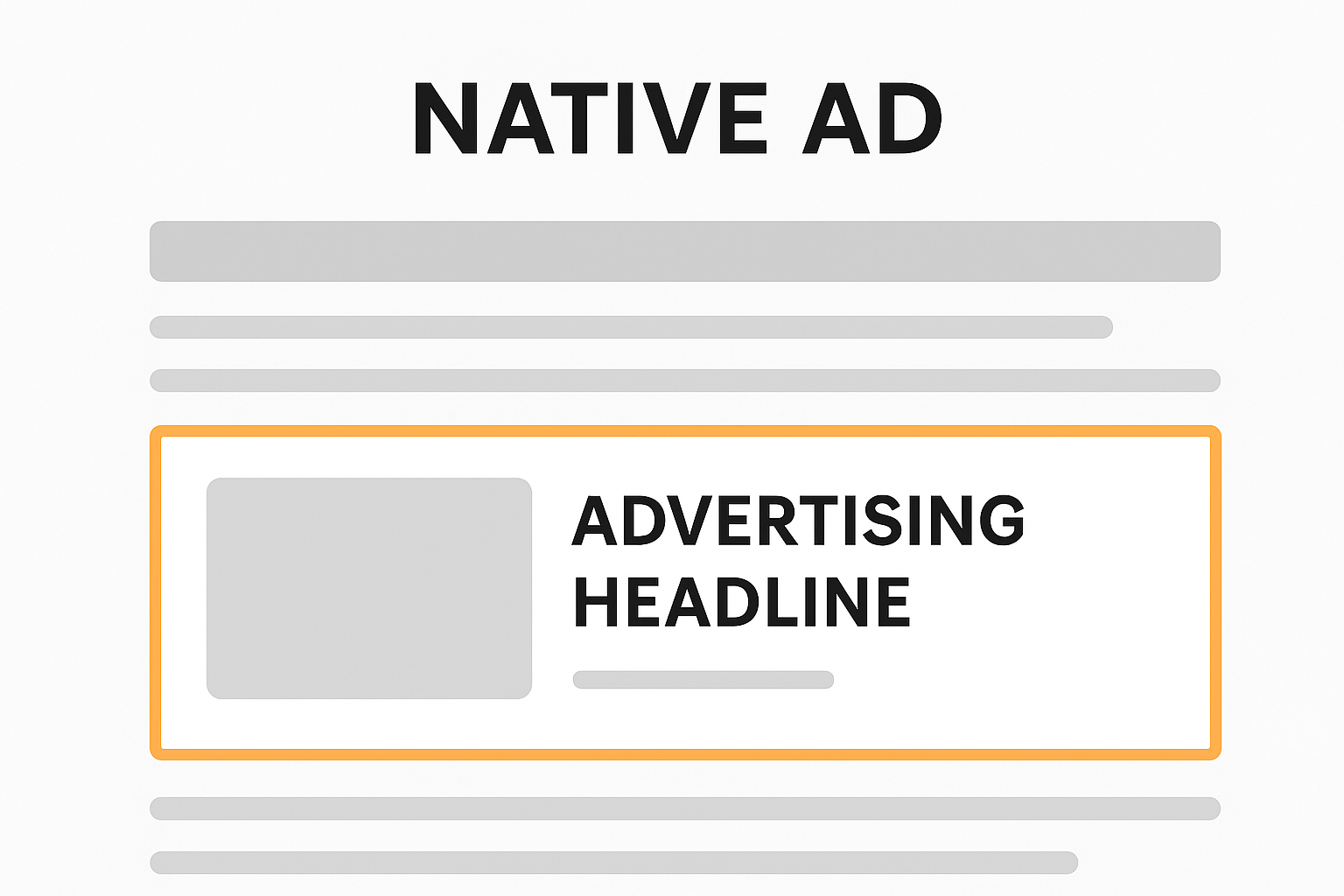
Definition:
Ads that blend seamlessly into surrounding content, minimizing disruption.
Performance Characteristics:
● Stable CPC
● Generally high CTR
● Install/conversion rate depends heavily on product appeal and messaging relevance
Best For:
● Utility and lifestyle apps
● Long-term performance growth and retention-focused strategies
Optimization Notes:
● Text-image semantic alignment matters more than visual complexity
● Avoid obvious “ad tone,” or the native advantage collapses
2. Interstitial Ads
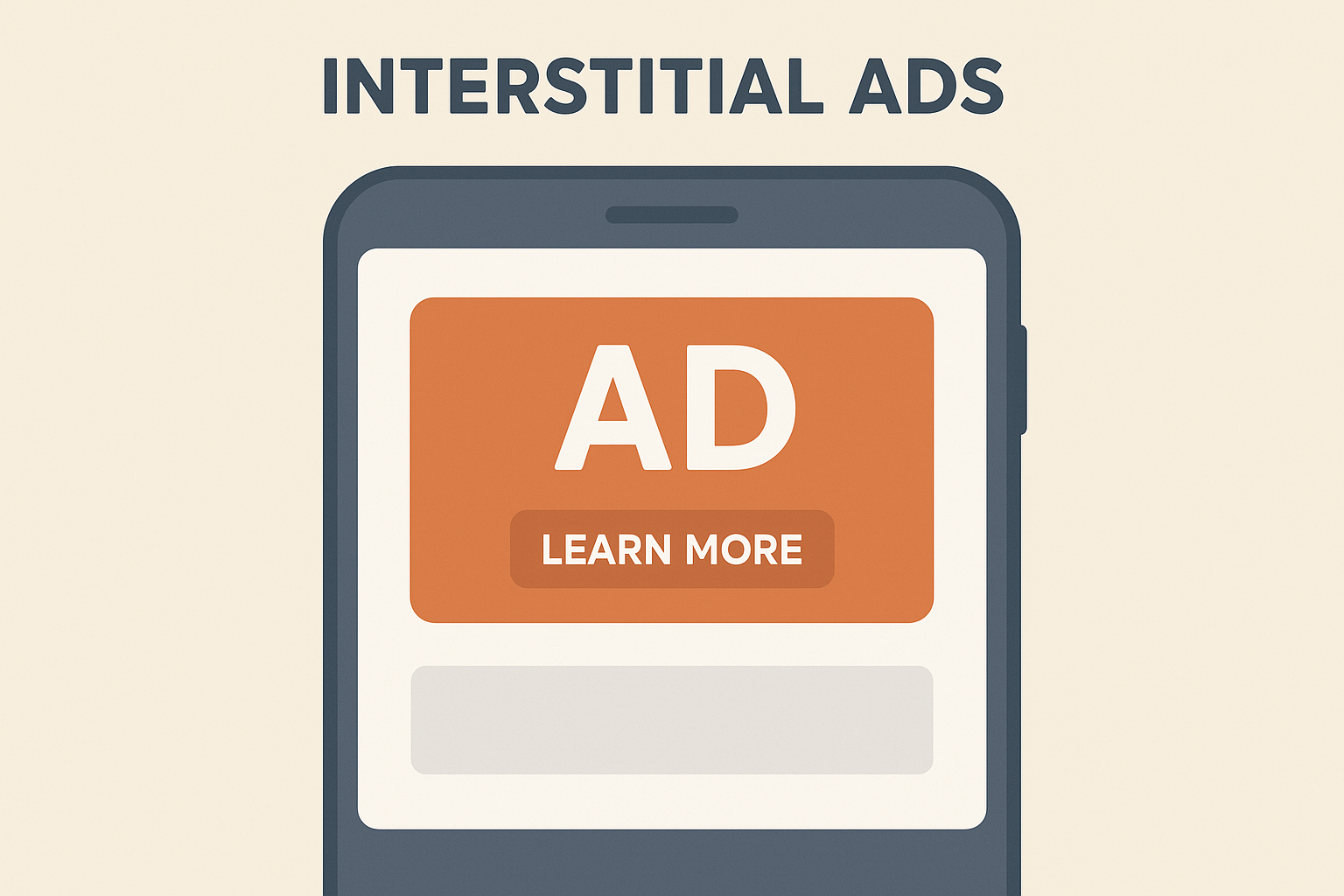
Definition:
Full-screen interruptions during natural content pauses.
Characteristics:
● Strong impact and forced attention
● Can drive fast acquisition, but at experience cost
Works Best For:
● Casual games
● Content-based apps with natural breakpoints
● Short-term scale goals
Not Ideal For:
● High-retention apps (e.g., productivity, education, paid learning tools)
3. Rewarded Video Ads
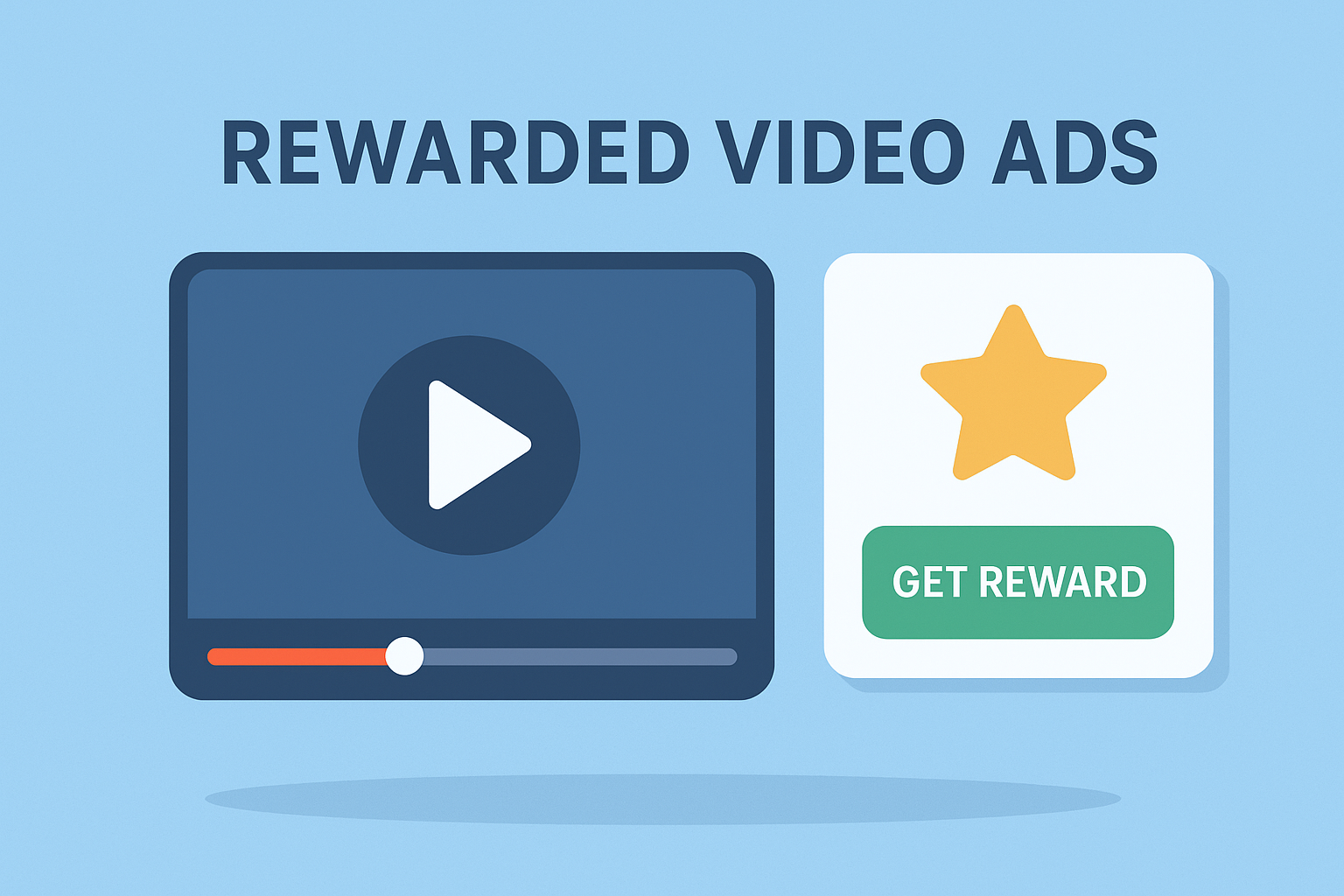
Definition: Users voluntarily watch ads in exchange for meaningful in-app rewards.
Performance Profile:
● Typically strong LTV contribution
● Most stable and scalable format in gaming
Best For:
● Casual & mid-core games
● Apps with clear, tradeable value (e.g., VPN, cloud storage, AI utilities)
Key Principle:
The reward must be genuinely meaningful, not just “something to give.”
4. Playable / Interactive Ads

Definition:
“Try before installing” mini-experience inside the ad.
Advantages:
● Strong immersion → high-quality, high-retention users
● Often drives higher ARPU
Best For:
● Games
● Products where core value is quickly experienceable (AI image tools, editing apps, avatar creation, etc.)
Limitation:
If your product’s value cannot be understood within ~5 seconds, this format loses power.
5. In-feed Short Video Ads
Definition:
Ads embedded in content feeds, driven by narrative and storytelling.
Performance Dynamic:
● Win through creative resonance
● Lose when creative fatigue appears quickly
Best For:
● Brand + performance blended growth
● Competitive markets with many alternatives (e.g., ecommerce, content, AI creation tools)
This format is not “media buying”, it is continuous production of content that algorithms want to amplify.
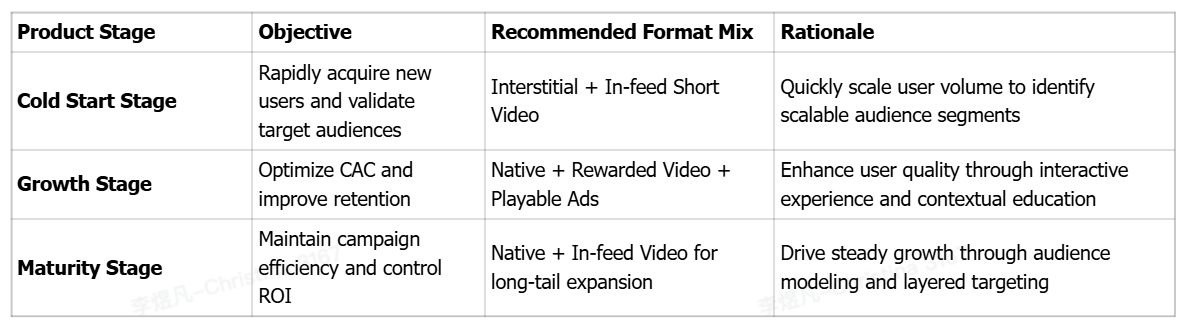
How to Choose Formats by Product Lifecycle
Effective strategies combine formats rather than relying on a single type. The right mix depends on the app category, growth goals, and user lifecycle stage.
Three Actions for Effective Format Optimization
1. Align Creative × Format × Audience
Scaling a single creative across multiple formats isn’t just “resizing assets.” Each format requires rethinking message delivery mechanics.
2. Evaluate Performance Per Format
Focus on quality KPIs for each format rather than overall ROI alone:
● Rewarded Video → Activation & retention
● Playable → Day-1 retention & purchase intent
● Native → Click depth & bounce rate
3. Test Formats in a Structured Rhythm
A recommended bi-weekly testing cycle:Test ad formats、Test creatives、Layer audience segments、 Adjust bidding strategy
Conclusion
In today’s highly competitive mobile landscape, ad formats are more than cosmetic choices, they are strategic levers. Effective format strategies don’t chase trends; they align with the user’s psychological state and decision-making context.
When the format fits, users navigate the conversion journey naturally. You don’t need to push, they’ll walk it themselves.
more posts

Driving Scale in SEA: Why Indonesia and Vietnam Are App UA Growth Hotspots (And How to Win via Programmatic Ads)
October. 15 2026
LEARN MORE


Mastering Mobile User Acquisition for Fintech Apps in 2026: What Actually Works
October. 08 2026
LEARN MORE
Programmatic Advertising vs. Google App Campaigns: How to Drive Incremental UA in 2026
September. 23 2026
LEARN MORE

The Complete Practical Guide to Mobile App User Acquisition in 2026: Bidding, Creatives, and Scaling
September. 22 2026
LEARN MORE