



Copyright © 2026 NOVABEYOND LIMITED (company number 2833487). All rights reserved.
Address: UNIT 616 6/F KAM TEEM INDUSTRIAL BUILDING 135 CONNAUGHT ROAD WEST SAI WAN HONGKONG.
For most advertisers, user acquisition still starts with a familiar group of platforms: Meta, Google, TikTok. These channels offer scale, mature targeting, and strong performance infrastructure, making them essential to modern UA strategies.
But they are not the entire digital media landscape.
Beyond the major platforms is a much broader ecosystem of regional networks, specialized social platforms, native media, programmatic inventory, OEM environments, and connected screens. Many of these platforms may not have the same global recognition, but they can provide something increasingly valuable: access to audiences, markets, and user touchpoints that mainstream channels do not fully cover.
As acquisition costs rise and audience competition increases, exploring this ecosystem is becoming an important part of building the next layer of growth.
A Broader View of Digital Media
The emerging media ecosystem is not simply a list of “alternative” platforms. It represents different ways of reaching users across different markets and moments.
Some platforms capture active search intent. Others connect brands with regional communities or content audiences. Programmatic networks open access to fragmented web and in-app inventory, while OEM and connected media create opportunities beyond conventional mobile advertising.
| Media Type | Representative Platforms | Core Opportunity |
| Alternative Search | Bing, Yandex | Additional search intent |
| Alternative Social | X, Snapchat, Kwai, BIGO Ads | New audiences & communities |
| Native & Content | Taboola, Outbrain, MGID, MediaGo, PopIn | Content discovery |
| Programmatic | Moloco, Mintegral, Smadex | Web & in-app scale |
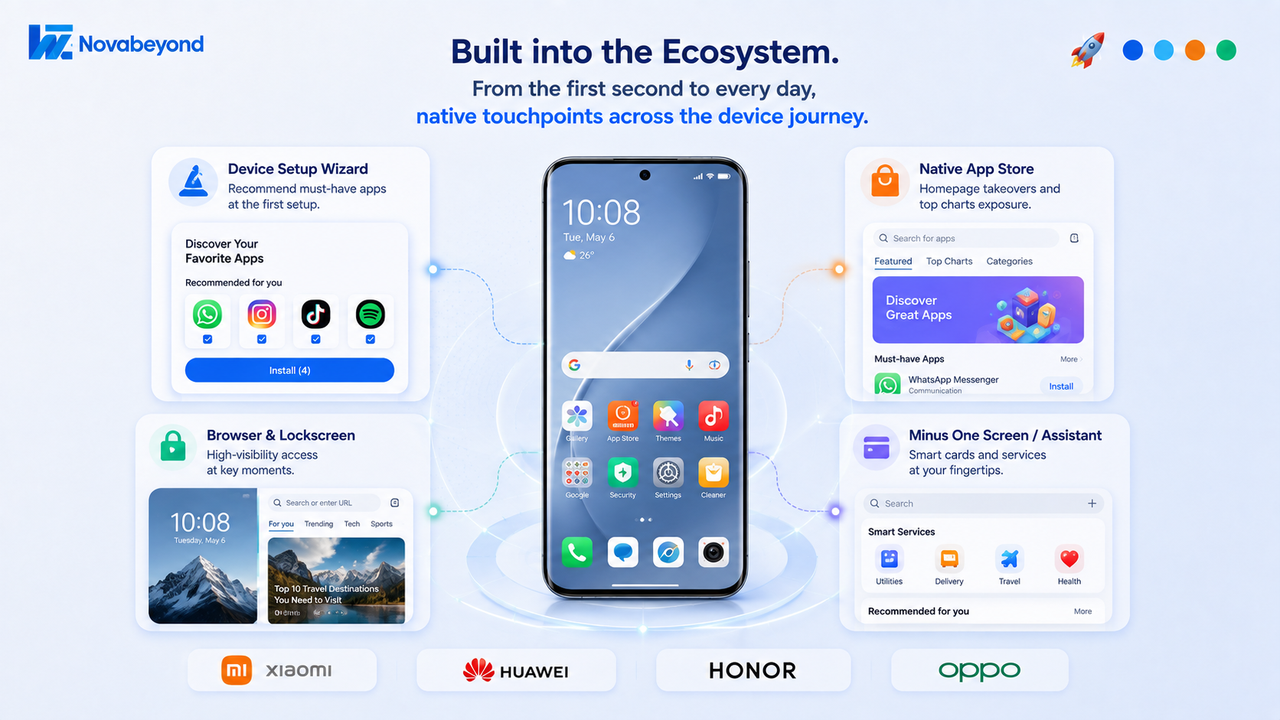
| OEM Media | Xiaomi, Huawei, HONOR | Device reach |
The important point is not that every advertiser needs every channel. The value lies in identifying which parts of this broader ecosystem can complement the channels already driving acquisition.
1. Alternative Search & Social
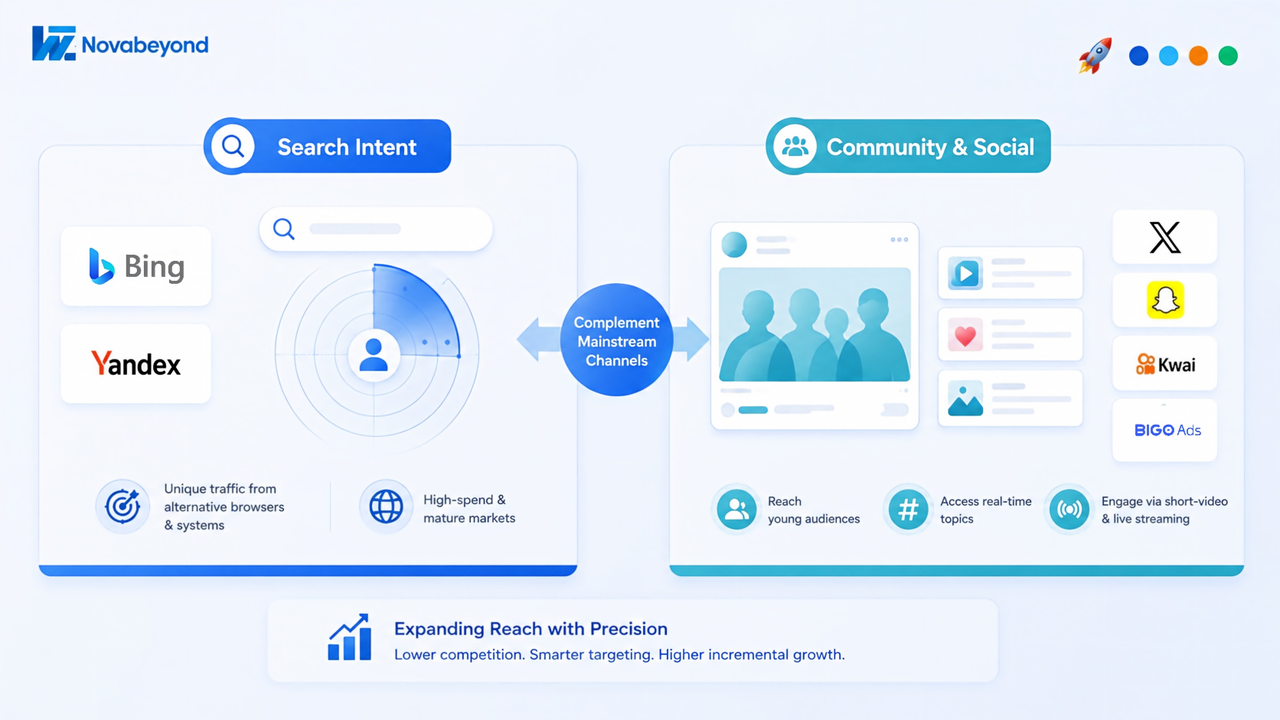
Search and social remain two of the largest digital acquisition environments, but their ecosystems extend well beyond the biggest global platforms.
Alternative search engines such as Bing and Yandex can provide additional sources of search intent, particularly in markets or audience segments where platform preferences differ. On the social side, platforms such as X, Snapchat, Kwai, and BIGO Ads serve distinct communities and regional audiences, offering advertisers opportunities to reach users beyond the audience pools they may already be targeting on mainstream platforms.
For global advertisers, this regional and audience diversity can be particularly valuable. A platform does not need to be one of the world's largest to be strategically important; strong penetration within a specific country, demographic, or community can make a smaller platform highly relevant to a particular growth objective.
2. Native & Content Discovery
A significant amount of digital attention happens outside social feeds and search results. Users read news, explore articles, follow publishers, and discover products through content and recommendations.
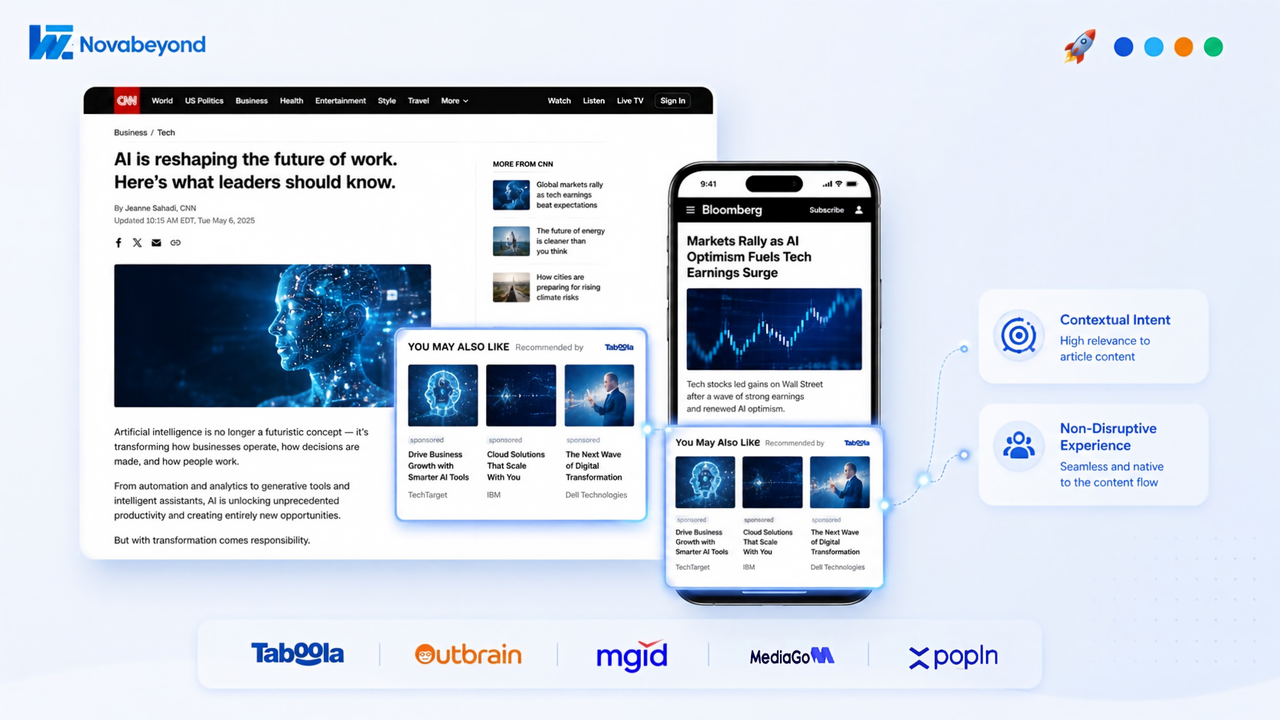
Native networks such as Taboola, Outbrain, MGID, MediaGo, and PopIn operate across this broader content environment, connecting advertisers with audiences through publisher and recommendation placements.
This creates a different discovery context from traditional social advertising. Instead of competing for attention inside a feed, brands can reach users while they are already consuming information and exploring topics relevant to their interests.
Native media can therefore play an important role in campaigns focused on discovery, content-led acquisition, direct response, and consideration.
| Social Feed | Native Discovery |
| Content-driven engagement | Information-driven discovery |
| Community environment | Publisher environment |
| Short-form interactions | Broader content context |
| Social intent | Discovery intent |
3. Programmatic & Open-Web Inventory
The digital advertising ecosystem extends far beyond the major platforms and their owned inventory.
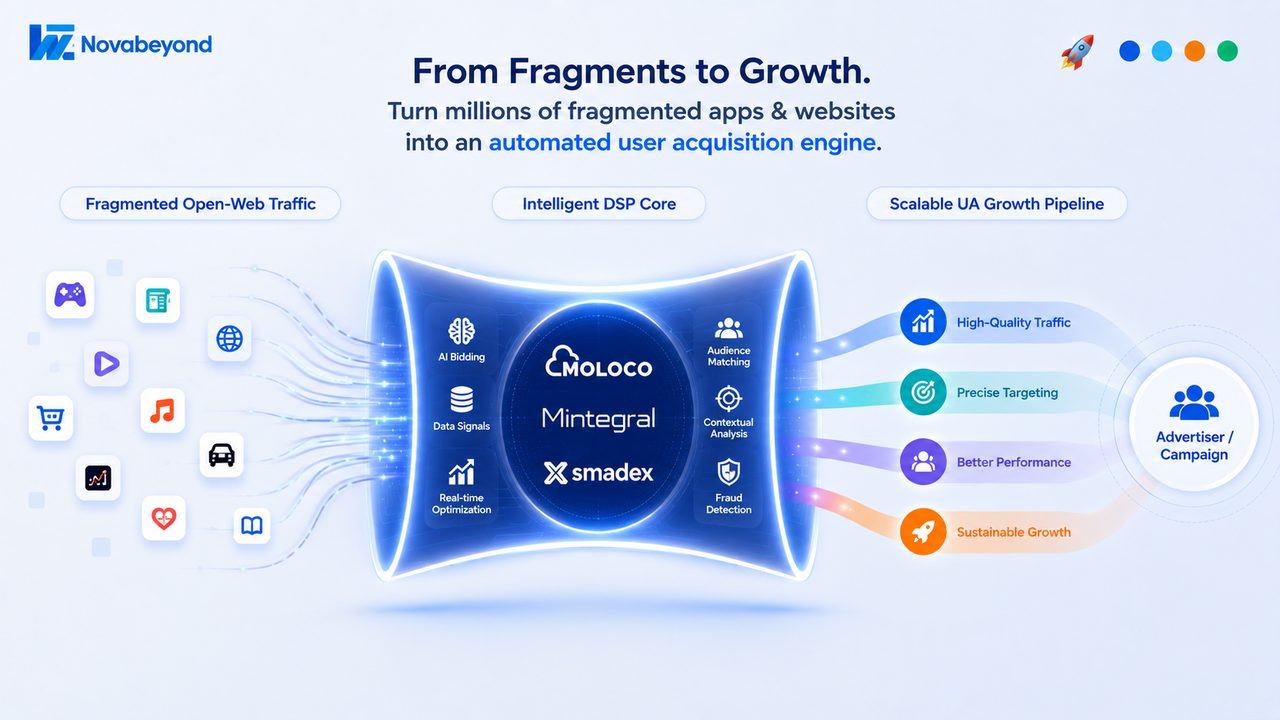
Millions of apps, websites, games, and publishers collectively represent a massive amount of digital attention. Programmatic technology provides the infrastructure to access this fragmented inventory at scale, while DSPs such as Moloco, Mintegral, and Smadex enable advertisers to buy and optimize across diverse web and in-app environments.
This makes programmatic particularly relevant for advertisers looking to expand inventory without building individual relationships with every publisher.
It also creates more flexibility across markets. Instead of relying on the inventory available within a small number of closed platforms, advertisers can tap into a much wider pool of digital properties and optimize investment based on campaign performance.
The opportunity: turn fragmented web and in-app inventory into a scalable acquisition layer.
4. OEM & Device Ecosystems
One of the most distinctive areas of emerging media exists at the device level.
Manufacturers such as Xiaomi, Huawei, and HONOR have built ecosystems that extend beyond hardware into app stores, browsers, recommendations, setup experiences, and other native device environments. This creates opportunities for advertisers to introduce applications and services through the device itself rather than relying exclusively on third-party advertising platforms.
The strategic value of OEM media is its position within the user journey. Traditional UA often starts after a user has entered a search engine, social platform, or app store. Device-level media can create touchpoints much earlier, including during device setup and application discovery.
This gives advertisers another way to reach users and can be particularly relevant for app marketers looking to expand beyond conventional mobile acquisition.
Why Emerging Media Matters for Incremental Growth
The purpose of exploring emerging media is not to replace mainstream channels. It is to expand the acquisition ecosystem around them.
When advertisers rely heavily on a limited number of platforms, audience overlap, rising competition, and increasing media costs can make additional scale more difficult. Emerging media provides opportunities to reach different audiences, enter regional ecosystems, access new inventory, and create new paths to discovery.
| Existing UA Challenge | Emerging Media Opportunity |
| Audience saturation | New audience pools |
| Rising acquisition costs | Additional sources of demand |
| Platform dependency | More diversified media mix |
| Limited inventory | Broader web & in-app access |
| Mobile-heavy acquisition | OEM & connected-screen opportunities |
| Global expansion | Regional media ecosystems |
The key is not simply adding more platforms. It is finding complementary media environments that bring something new to the overall acquisition strategy. That is where emerging media can become a source of incremental growth rather than just another line item in the media plan.
Making the Emerging Media Ecosystem More Accessible
The opportunity is broad, but the ecosystem is also fragmented. Different platforms and markets come with different onboarding processes, commercial models, creative requirements, account structures, and operational considerations.
For advertisers, this can make testing new channels time-consuming, particularly when expanding across multiple regions. This is where specialized media partners can help bridge the gap.
At Novabeyond, we help advertisers access and activate opportunities across emerging media ecosystems, from regional platforms and specialized media networks to OEM, CTV, programmatic, and direct inventory partnerships.
Our role is to help brands look beyond the platforms they already know, identify relevant media opportunities, and build additional acquisition channels around their existing UA strategy.
Because sustainable growth is not always about getting more from the same channels. Sometimes, it starts with discovering where else your users are.
more posts
MediaGo, Taboola, and Outbrain: How Native Ad Platforms Differ for E-commerce Brands
June. 22 2026
LEARN MORE

BIGO Ads vs Kwai Ads: How Geography and Category Shape Performance in Short-Video Ecosystems
June. 16 2026
LEARN MORE
Taboola and Native Traffic: Why Content-Contextual Advertising Is Your Next Performance Frontier
May. 27 2026
LEARN MORE
BIGO Ads Keywords & Targeting Strategy (2026 Guide for High ROI Campaigns)
May. 15 2026
LEARN MORE