




Copyright © 2026 NOVABEYOND LIMITED (company number 2833487). All rights reserved.
Address: UNIT 616 6/F KAM TEEM INDUSTRIAL BUILDING 135 CONNAUGHT ROAD WEST SAI WAN HONGKONG.
Introduction
Google Display Ads are a powerful tool for advertisers. Reaching over 2 million websites and apps, it ensures your brand receives widespread attention and offers diverse placement options(2026 Google Display Ads Growth Guide: How to Scale Beyond Search Ads):
⒈ Display ads come in various formats, including text, image, and video. This flexibility allows for creative expression.
⒉ Advertisers can target specific demographics and interests. This ensures your message reaches the right people.
⒊ Google Display Ads are ideal for brand awareness and retargeting. They help keep your brand top-of-mind for potential customers.
⒋ Optimization is key to success with display ads. Techniques like A/B testing can improve click-through rates.
⒌ Responsive display ads adjust automatically to fit available spaces. This maximizes visibility across different devices.
⒍ With Google Display Ads, advertisers can track performance metrics. This data helps refine strategies and improve results.
What Are Google Display Ads?
Google Display Ads are a type of online advertising. They leverage visuals to attract users across various platforms.
Unlike search ads, which are text-based, display ads are often visual. They appear in multiple formats, such as images and videos.
These ads are part of the Google Display Network (GDN). This network comprises over 2 million sites and reaches more than 90% of internet users globally. (Must-have for advertisers! The ultimate practical guide to Google Display Ads is here~)(Google Display Ads Creative Showcase + Practical Handbook! 2M+ Platform Exposures Are Within Reach)
Display ads are versatile and adaptable, offering numerous formats like:
• Banner ads
• Interstitial ads
• Rich media ads
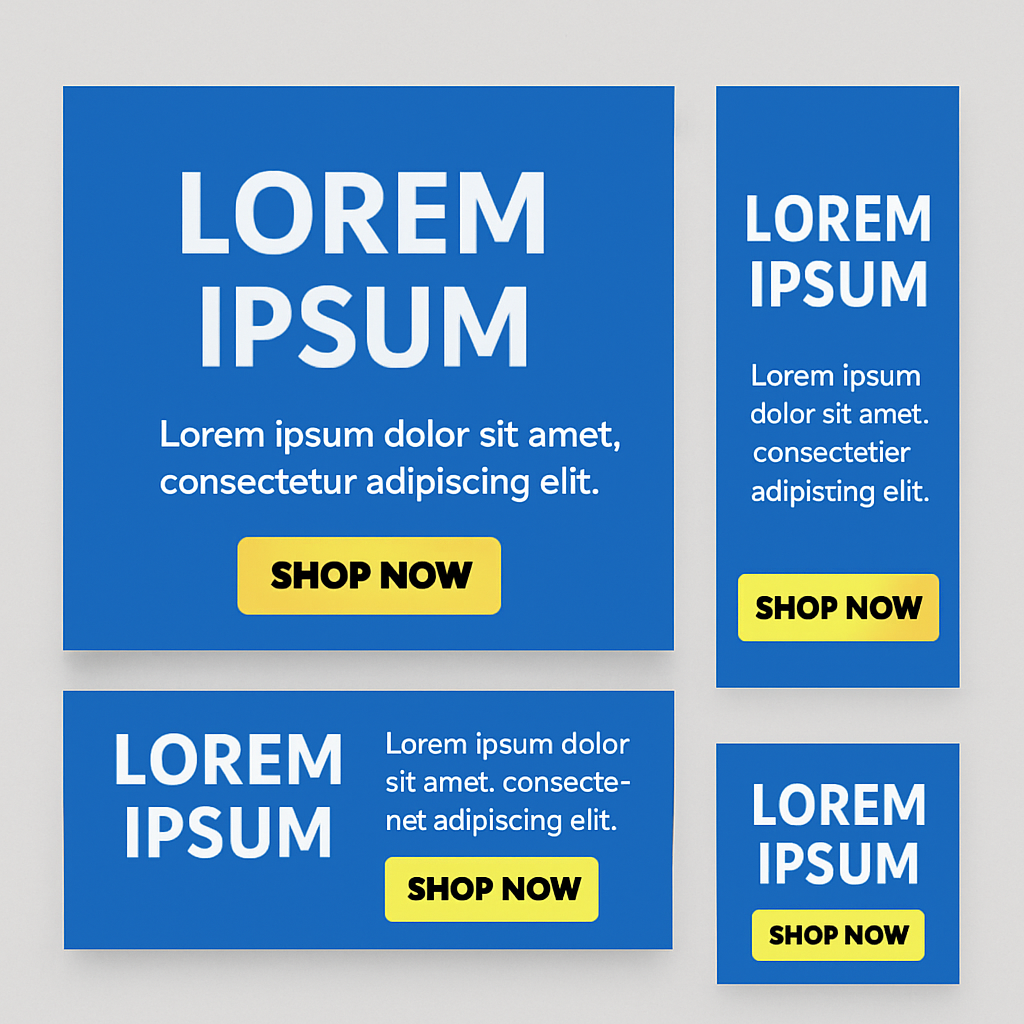
Google Display Ads are used to boost brand visibility and awareness. They are especially effective for retargeting campaigns.
This type of advertising is crucial for businesses aiming to engage more customers. By targeting specific audiences, businesses can deliver personalized messages.
Display ads also support various bidding strategies like CPC and CPM. This flexibility allows advertisers to align with their budget and goals.
In sum, Google Display Ads provide a multi-faceted approach for advertisers. They offer creativity, reach, and customization. This makes them invaluable in digital marketing strategies.(Unlocking the Growth Code of Google Display Ads: From Basic Logic to Advanced Strategies, Double Your Brand Exposure)
How the Google Display Network Works
The Google Display Network (GDN) is an extensive platform. It allows advertisers to showcase ads across millions of websites and apps. This vast reach ensures ads find diverse audiences effectively.
GDN operates by matching ads with relevant content and user interests. Advertisers can target specific demographics or contexts. This precision helps in delivering tailored messages to potential customers. Factors like location and device type further refine audience targeting.
Key components of GDN include:
• Contextual targeting: Matches ads with relevant website content.
• Audience targeting: Reaches users based on interests and behavior.
• Placement targeting: Selects specific websites or apps for ad display.
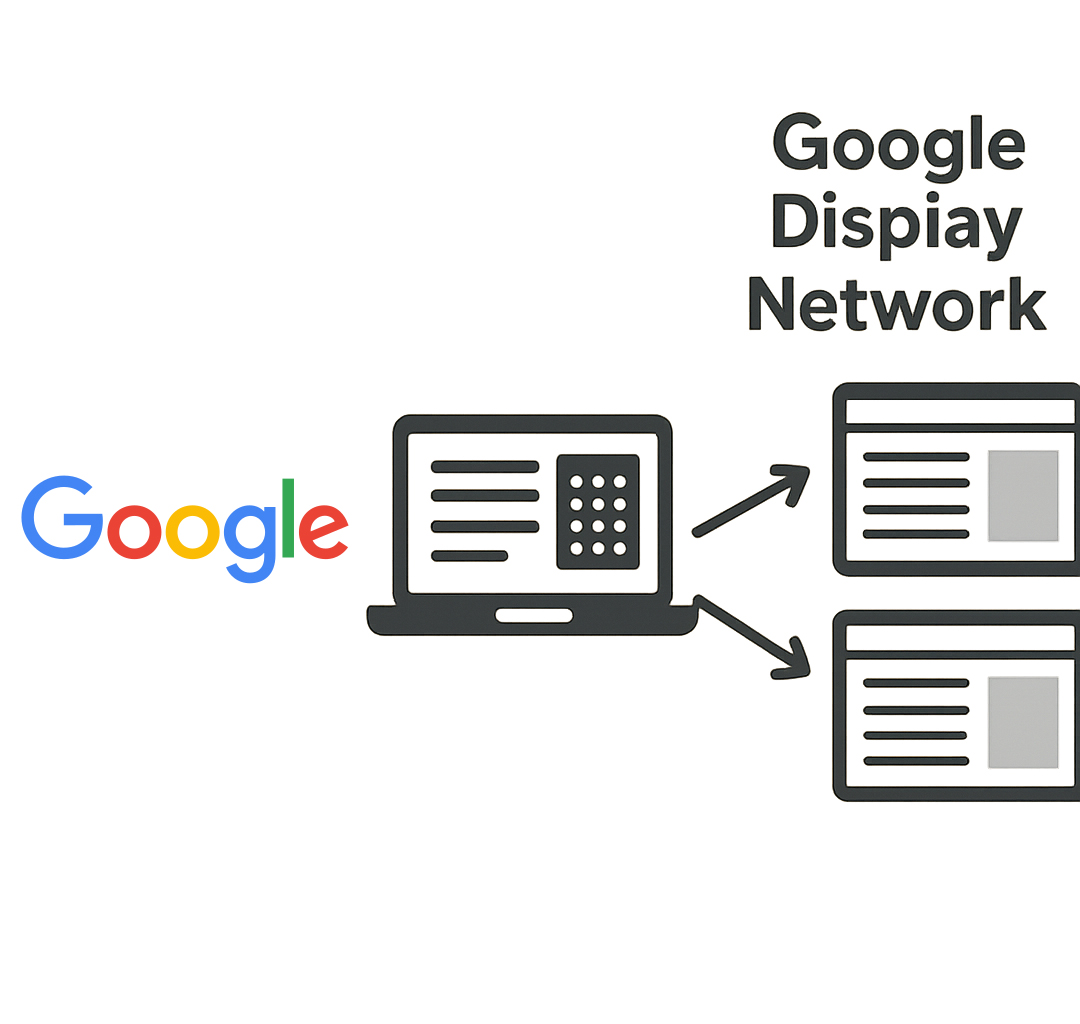
For a display campaign to be successful, choosing the right placements is crucial. Google Ads’ automated systems optimize ad delivery across the GDN based on performance signals, maximizing exposure and conversions. This system maximizes exposure, engagement, and conversions. By fine-tuning these settings, advertisers can leverage GDN’s full potential. Thus, it ensures campaigns meet business objectives efficiently. In essence, the Google Display Network offers flexibility and control, paving the way for impactful advertising results.
Key Benefits of Google Display Ads for Advertisers
Google Display Ads present numerous advantages for advertisers. They offer unparalleled reach, spanning over 90% of global internet users. This provides advertisers with the opportunity to connect with a vast audience.
Visibility across over two million websites and apps ensures ample exposure. This diversity allows ads to appear in a variety of contexts. Such placements increase brand visibility and recognition significantly.
The versatility of display ad formats is noteworthy. Ads can be text, image, or video. This flexibility lets advertisers convey their messages creatively. Aligning ad formats with campaign goals helps capture audience attention effectively.
Google Display Ads cater to various marketing objectives. Whether it’s brand awareness, lead generation, or retargeting, they are adaptable. Advertisers can tailor their strategies to meet specific business needs.
Here are some of the core benefits:
• Broad reach across numerous platforms.
• Versatile ad formats for creative expression.
• Precise targeting to reach desired demographics.
• Cost-effective strategies with various bidding options.
• Enhanced brand visibility and customer engagement.
Google Display Ads also support remarketing strategies. This enables advertisers to re-engage previous visitors, increasing conversion possibilities. By employing these ads, businesses can effectively enhance their marketing results. They make reaching the right audience easier, while simultaneously optimizing budget and performance.
Google Display Ads Examples: Formats and Creative Inspiration
Google Display Ads offer diverse formats. This ensures creativity and engagement in advertising campaigns. Examples include banner ads, which are common and eye-catching. These ads often appear in various sizes on websites.
Interstitial-style ads (primarily used in mobile apps) can deliver high-impact, full-screen experiences, but are limited on mobile web due to user experience guidelines. These ads engage users as they navigate between content.
Rich media ads stand out for their interactive elements. These include clickable areas, animations, or even videos. Such features invite user interaction, increasing engagement.
Examples of display ad formats:
• Banner ads: Standard and adaptable.
• Interstitial ads: High-impact, full-screen takeovers.
• Rich media ads: Interactive formats with multimedia elements.
Responsive display ads automatically adjust in size and format. This flexibility allows them to fit seamlessly into any ad space. They offer a consistent look across devices, maintaining brand integrity.
Creative inspiration is vital for impactful display ads. Advertisers can explore the Ad Gallery for ideas. It showcases a range of successful campaigns and provides guidelines on ad design.
Examples of creative sources:
• Google Ad Gallery: A source of inspiration and trends.
• Case studies: Insight into effective strategies.
• Industry websites: Examples from different sectors.
Strong visual elements and compelling calls-to-action are crucial. Ensuring these components are present can boost ad performance. By examining successful display ad examples, advertisers can refine their approach.
Exploring various formats and creative avenues inspires fresh ideas. It ensures that ads resonate with their intended audience. Engaging ads drive results and bolster marketing efforts.
Targeting Options: Reaching the Right Audience
Google Display Ads offer robust targeting options. These options help advertisers reach their ideal audience with precision. Targeting ensures ads appear to users most likely to engage.
Audience targeting allows advertisers to define demographics like age and gender. Interests and behaviors can also be targeted, tailoring ads to specific user segments. This customization enhances ad relevance.
Contextual targeting focuses on website content. Ads are placed on sites related to specific keywords and topics. This ensures that ads align with user intent and browsing habits.
Key targeting options include:
• Audience targeting: Tailor by demographics and interests.
• Contextual targeting: Align ads with relevant content.
• Remarketing: Re-engage previous site visitors.
Remarketing is a powerful targeting tool. It engages users who have interacted with a brand before. Displaying ads to these users can boost conversion rates and brand recall.
Effective targeting increases ad performance. It ensures that marketing efforts yield better returns. By leveraging these options, advertisers can maximize the impact of their campaigns.
Google Ads Optimization: Best Practices for Display Campaigns
Optimization is crucial for maximizing the impact of Google Display Ads. By refining various elements, advertisers can achieve higher engagement and conversion rates.
While visuals dominate, supporting text, such as headlines and descriptions in responsive display ads should be clear, benefit-driven, and aligned with brand messaging.
High-quality images and visuals play a significant role. They draw the viewer's eye and communicate brand messages effectively. Advertisers should ensure images are clear and relevant to the audience.
Implementing A/B testing helps find the most effective ad versions. By comparing different ads, advertisers can optimize elements like headlines, visuals, and CTAs.
Essential optimization practices include:
• Refining ad copy for clarity and impact.
• Utilizing high-quality and relevant images.
• Conducting regular A/B testing for insights.
Ad targeting should not be overlooked. Regularly reviewing and updating targeting settings ensures ads reach the most relevant audiences. This prevents ad spend waste on uninterested groups.
Bidding strategies also require optimization. Choosing between CPC, CPM, and CPA depends on campaign goals. Bidding adjustments can help better allocate budget for conversions or traffic.
Best practices for bidding include:
⒈ Use automated bidding strategies (e.g., Target CPA, Maximize Conversions) aligned with campaign goals
⒉ Let Google's machine learning optimize bids in real time, avoid frequent manual overrides
By following these optimization strategies, advertisers can improve their Google Display Ads' effectiveness. Well-optimized campaigns translate to better ROI and increased brand visibility.
Measuring Success: Tracking and Analyzing Display Ad Performance
Evaluating the success of Google Display Ads is essential for continuous improvement. Key performance metrics provide insights into how well ads perform and where improvements are needed.
Advertisers should track basic metrics like impressions and clicks. Impressions show how many times ads appeared, while clicks indicate direct engagement. Conversions, another vital metric, reveal completed actions by users, such as purchases or sign-ups.
Beyond basics, advanced analytics give deeper insights. Google Analytics 4 (GA4) provides cross-channel insights into how Display Ads influence user behavior, from initial click to conversion. Using this tool, advertisers can see how users interact after clicking ads.
Important performance metrics to track include:
• Impressions and clicks for immediate feedback.
• Conversions to assess user actions.
• Website traffic to gauge ad influence.

By analyzing these metrics, advertisers can identify trends, optimize ad strategies, and increase ad effectiveness. Regular performance reviews ensure that campaigns align with marketing goals, leading to sustained growth and better results.
Advanced Strategies: Remarketing, Automation, and Dynamic Ads
To push Google Display Ads to their full potential, employing advanced strategies is vital. These include remarketing, automation, and dynamic ads, all of which offer unique advantages.
Remarketing allows businesses to reconnect with users who previously visited their websites. This tactic is highly effective in converting interested visitors into paying customers. By showing tailored ads to past site visitors, advertisers increase the likelihood of conversion.
Automation in Google Display Ads streamlines the management process. Using machine learning, advertisers can automate bidding, targeting, and even ad creation. This reduces time spent on mundane tasks and improves campaign performance over time.
Dynamic remarketing ads automatically showcase products or services users previously viewed, using a product feed and remarketing tag, delivering highly personalized experiences at scale.
Key strategies to implement include:
• Remarketing for reconnecting with past visitors.
• Automation to optimize campaign management.
• Dynamic ads for personalized user experience.
By integrating these strategies, advertisers can significantly improve their ad efficiency, resulting in better engagement, increased sales, and a greater return on investment.
Common Mistakes to Avoid with Google Display Ads
Navigating Google Display Ads requires skill to avoid common pitfalls. Mistakes can significantly reduce the effectiveness of ad campaigns, impacting ROI negatively.
One typical error is neglecting proper targeting, leading to wasted ad spend on uninterested audiences. Additionally, failing to optimize ad creatives can result in poor engagement.
Here are common mistakes to dodge:
• Inadequate audience targeting
• Overlooking ad creative optimization
• Setting inappropriate bid strategies
Avoiding these errors can enhance the performance of display ads, making campaigns more cost-effective and targeted. Careful planning and analysis are key to success.
Conclusion: Maximizing Your Marketing Results with Google Display Ads
Google Display Ads offer vast potential to elevate your marketing campaigns. By effectively utilizing their diverse formats and robust targeting options, businesses can improve visibility and engagement.
Success in display advertising hinges on creativity, strategy, and continual optimization. By learning from successful examples and avoiding common pitfalls, you can significantly enhance your ad performance. Embrace the versatility of display ads to connect with varied audiences and achieve remarkable marketing results. Leverage these powerful tools to strengthen your brand presence in the digital landscape.
Recommended reading
2025 Google Ads Policy Updates Explained: Verification, Compliance & Account Safety Guide
How Google Ads Works for Beginners(2025 Tutorial + Step-by-step Guide)
more posts

Google Ads Suspended in 2026? How to Appeal and Unblock Your Manager Account
September. 20 2026
LEARN MORE

MediaGo Ads Not Delivering? Zero-Traffic Checklist to Restore Spend in 2026
September. 17 2026
LEARN MORE

BIGO Ads vs MediaGo: How to Combine Short-Video & Native Ads for Max ROI
September. 09 2026
LEARN MORE
Mintegral Campaign Not Spending or Scaling? 4 Fixes to Restore Delivery in 2026
August. 27 2026
LEARN MORE