



Copyright © 2026 NOVABEYOND LIMITED (company number 2833487). All rights reserved.
Address: UNIT 616 6/F KAM TEEM INDUSTRIAL BUILDING 135 CONNAUGHT ROAD WEST SAI WAN HONGKONG.
Advertisers often talk about “algorithm changes” when performance becomes unstable. In reality, most delivery constraints are not sudden changes at all. They are the visible outcome of long-term internal scoring.
Across major advertising platforms, whether social, search, or short-video, the logic is remarkably similar. While names differ, the underlying systems evaluate trust, quality, stability, and risk at multiple levels.
These systems do not operate in isolation. They overlap, reinforce each other, and ultimately determine how much freedom an advertiser is given to scale.
Trust-Based Scoring: The Account-Level Foundation
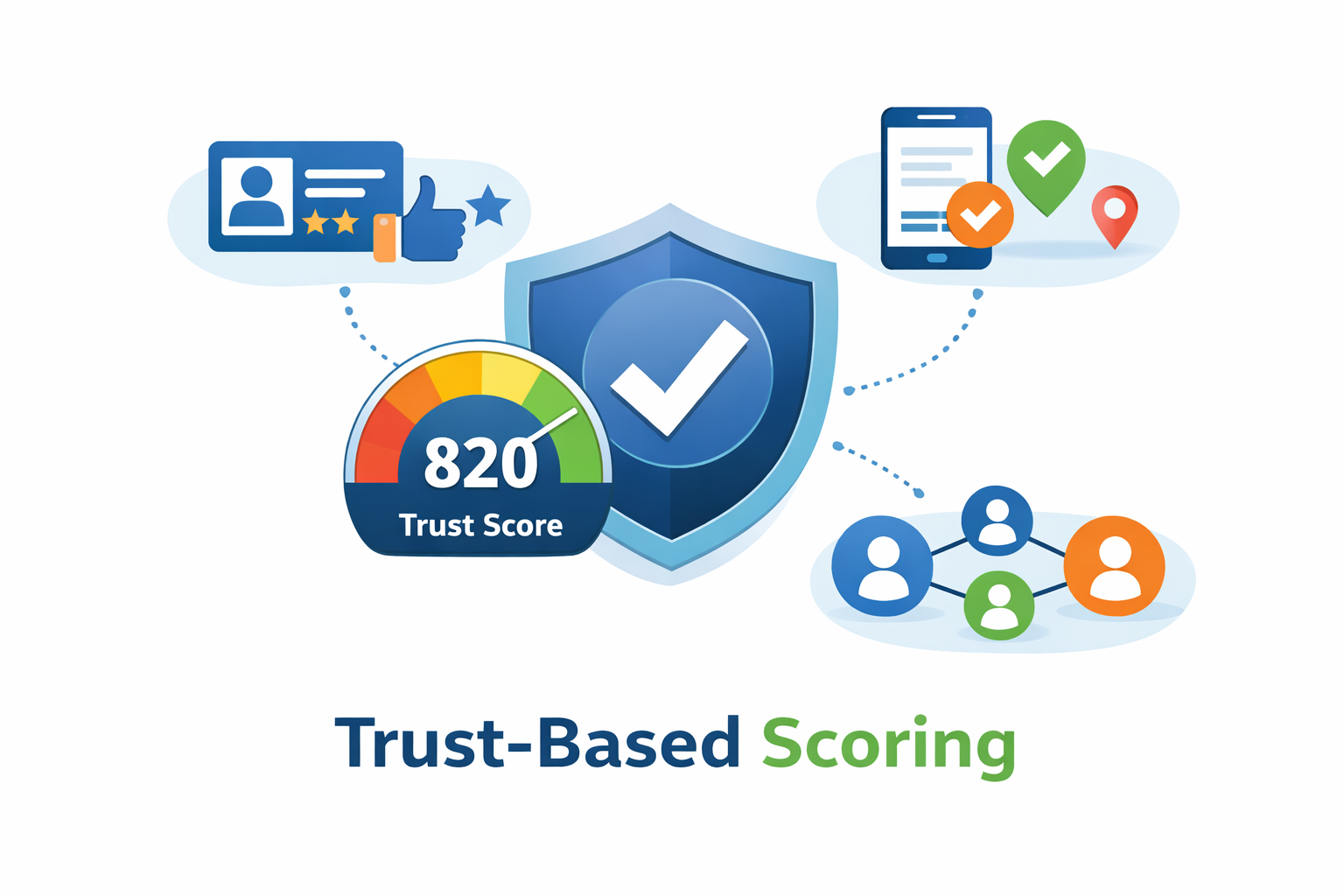
Nearly every major platform maintains some form of account trust evaluation, even if it is never formally labeled.
On Meta platforms, advertisers often refer to this informally as a “Trust Score,” reflected in how easily accounts pass review, how tolerant the system is of creative testing, and how quickly delivery stabilizes. Google applies a similar concept through long-term account history, policy compliance records, and payment reliability. TikTok evaluates advertiser credibility through account behavior consistency, rejection patterns, and historical enforcement signals.
Across platforms, trust-based scoring typically absorbs signals such as:
• Historical policy compliance and enforcement actions
• Frequency and patterns of ad rejections or appeals
• Payment behavior and spending consistency
• Account lifecycle stability rather than short-term performance
Once weakened, trust does not reset simply by launching new campaigns. It often follows the advertiser across structures and limits how aggressively traffic is allocated.
Quality Scoring: Beyond Creative Metrics
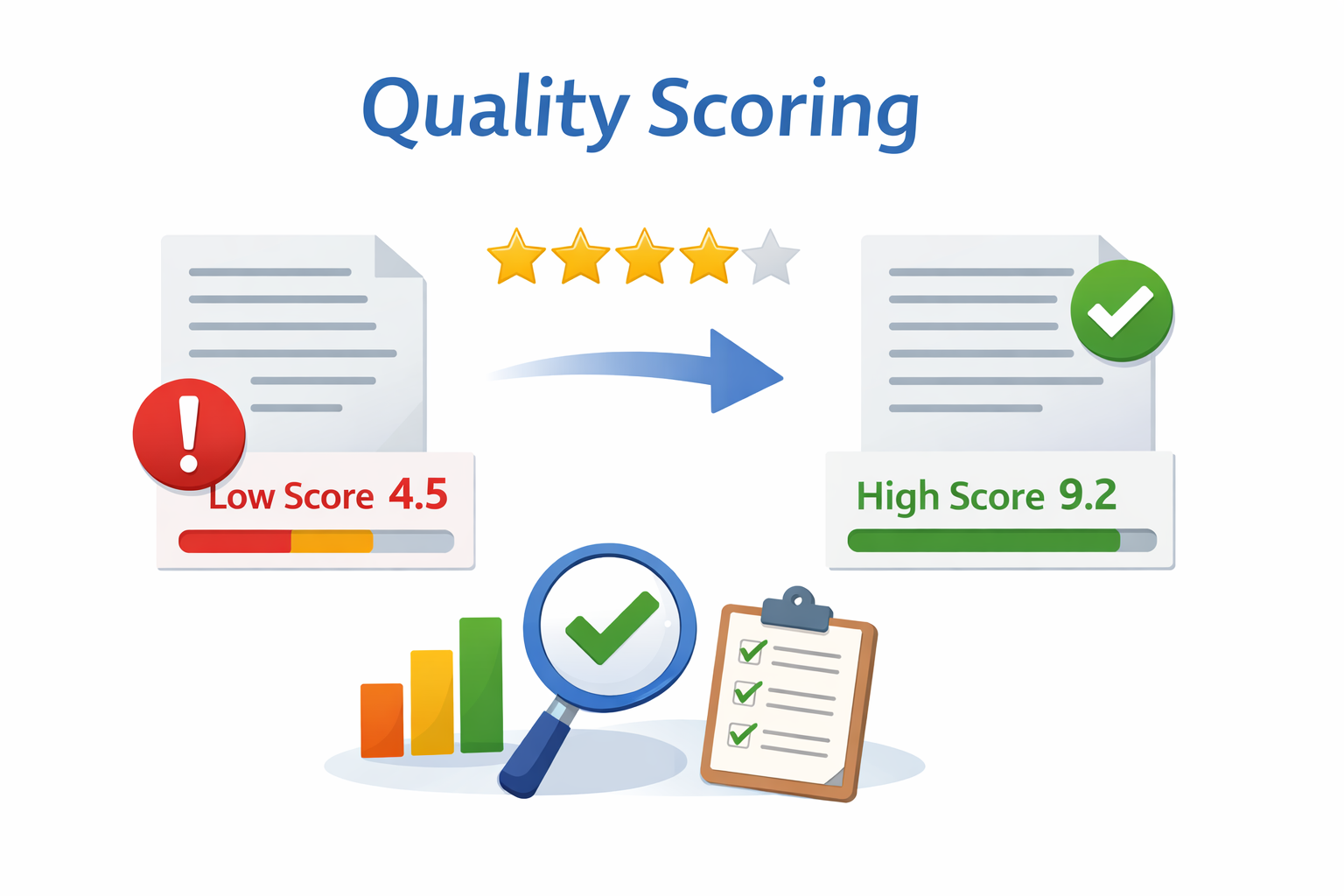
While platforms expose quality-related indicators in different ways, such as relevance diagnostics on Meta or quality components within Google Ads, the true evaluation is broader than any single dashboard label.
Quality scoring usually blends multiple layers:
• Creative-to-audience relevance
• User engagement behavior after the click
• Negative feedback signals, including hides, skips, or complaints
• Creative fatigue velocity
TikTok, in particular, places strong emphasis on how content integrates into the feed experience, while Meta balances engagement against downstream satisfaction. Google’s systems extend quality judgment into landing page experience and ad-to-query alignment.
The common theme is that quality is judged longitudinally, not by peak performance moments.
User Experience and Landing Page Evaluation
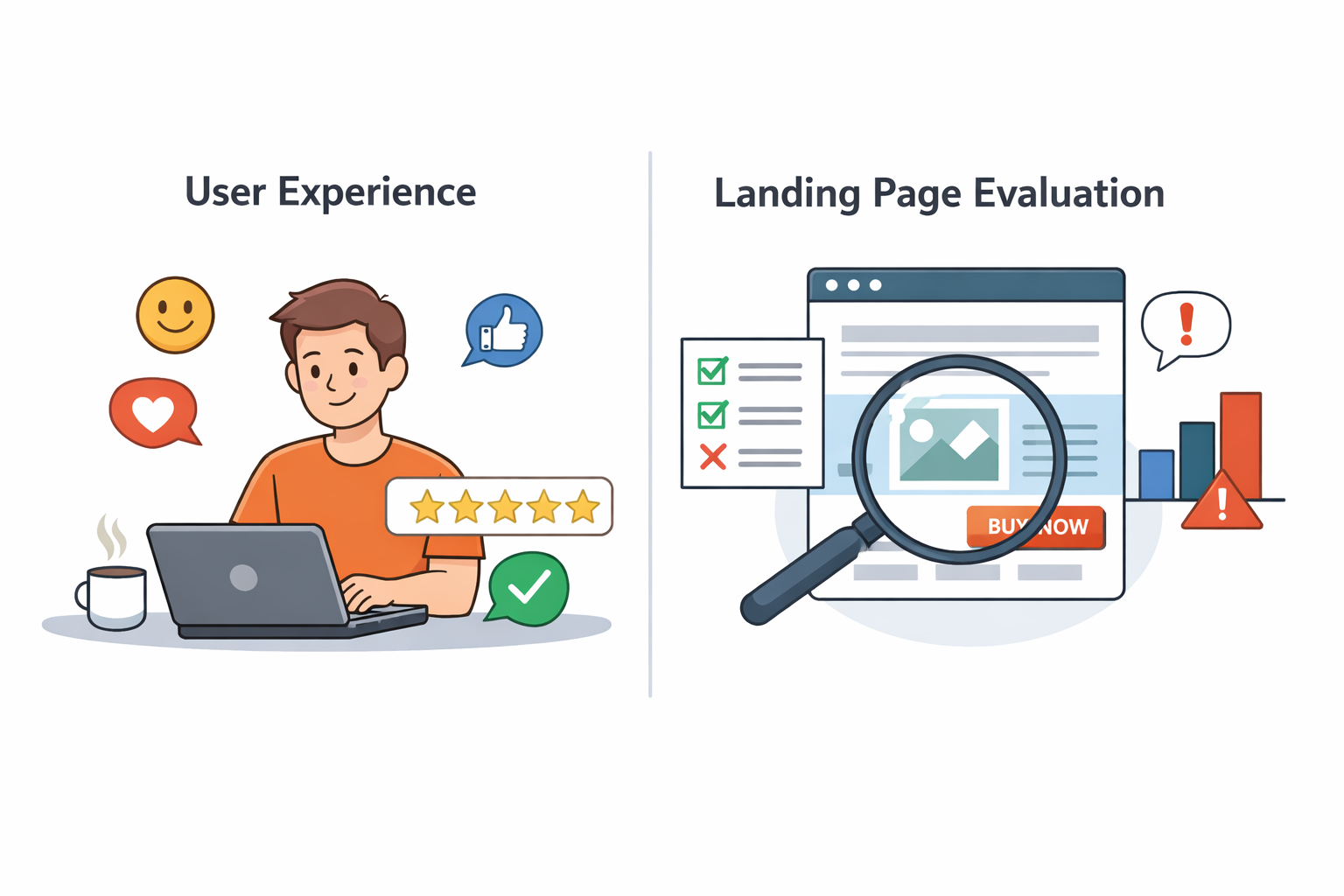
Modern platforms increasingly evaluate what happens after the click as part of their internal scoring models.
Google formalizes this most clearly through landing page experience and page usability signals. Meta and TikTok do not label these metrics publicly, but both heavily weigh post-click behavior, bounce rates, and page stability.
Signals that consistently influence experience-related scoring include:
• Page load speed and technical performance
• Unexpected redirects or disruptive layouts
• Excessive friction in conversion flows
• Mismatch between ad promise and on-page content
Advertisers who ignore this layer often misinterpret delivery decline as creative fatigue when the issue is experiential.
Conversion Integrity and Event Reliability
All major platforms operate internal mechanisms to assess whether conversion data represents genuine user intent.
On Meta, this manifests through event learning stability and optimization confidence. Google evaluates conversion action consistency and attribution reliability. TikTok monitors abnormal conversion timing, clustering, and incentive abuse patterns.
Typical signals feeding conversion integrity scoring include:
• Event timing that aligns poorly with realistic user journeys
• Sudden volume spikes without corresponding traffic shifts
• Repeated short-session conversions
• Patterns suggesting incentivized or artificial behavior
When integrity is questioned, optimization efficiency drops. Campaigns struggle to exit learning phases, and scaling becomes increasingly fragile.
Behavioral Stability as a System Signal
Across Facebook, Google, and TikTok, stability is quietly rewarded.
Algorithms are designed to learn from patterns. Advertisers who constantly override those patterns create noise. Common stability-related signals include:
• Frequency and magnitude of bid or budget changes
• Structural churn across campaigns and ad groups
• Learning phase interruptions
• Abrupt shifts in targeting or objectives
While none of these actions are “violations,” they directly affect how confidently the system can optimize. Over time, unstable behavior translates into cautious delivery.
Business Model and Industry Risk Assessment
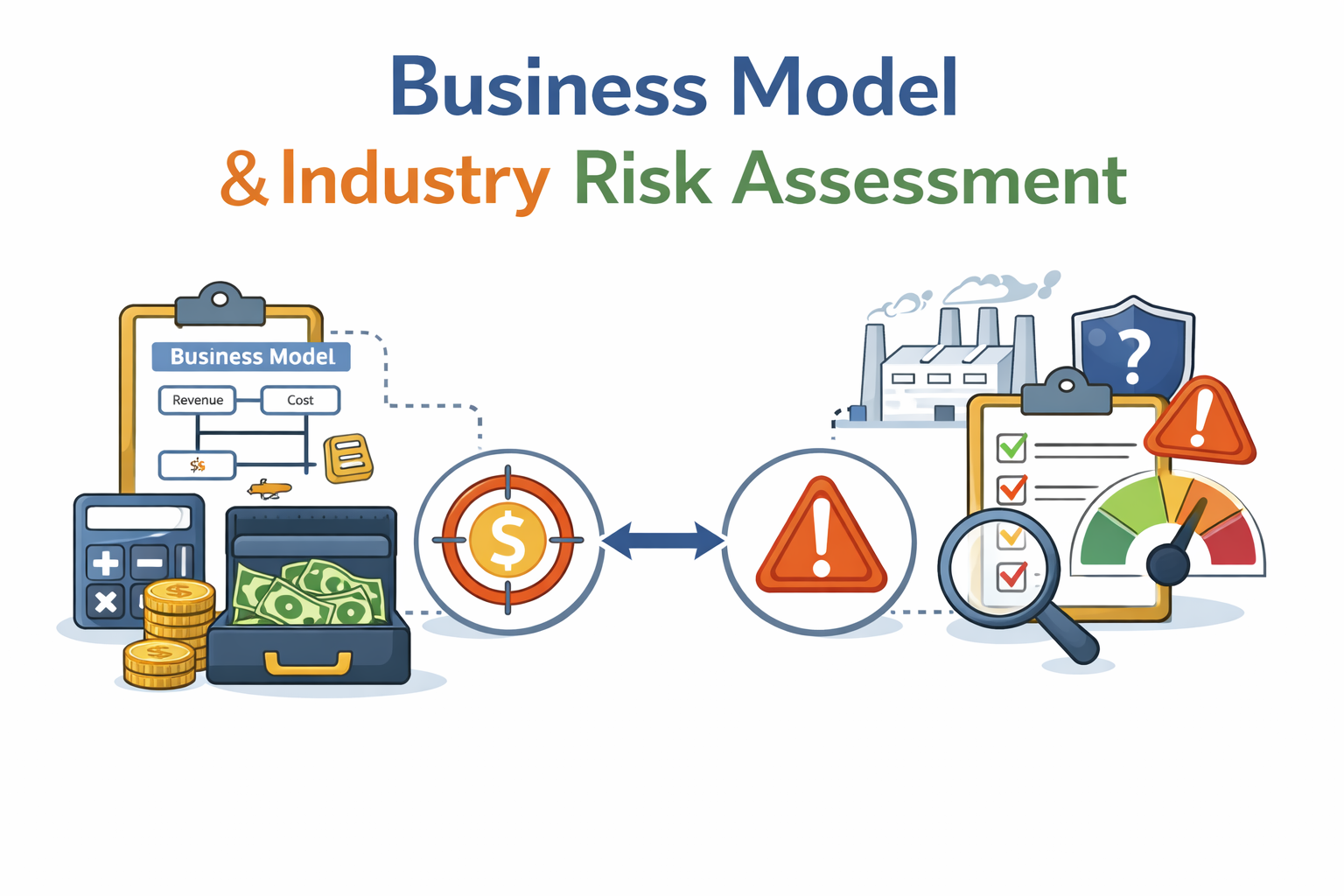
Beyond ad-level evaluation, platforms also assess advertisers at a business level.
Google is explicit about this through vertical-based policy enforcement and sensitive category handling. Meta and TikTok apply similar logic through internal risk classification, particularly for finance, subscriptions, utilities, and cross-border e-commerce.
Factors influencing business risk scoring typically include:
• Transparency of pricing and value propositions
• Consistency between claims and actual delivery
• Refund, chargeback, or complaint potential
• Industry-wide regulatory exposure
This layer explains why two advertisers with identical creatives may face vastly different scaling ceilings.
Why These Scores Must Be Viewed as a System
These scoring mechanisms are not independent checklists.
A strong creative cannot compensate for weak account trust. High conversion volume cannot fully offset poor user experience. Stability issues can undermine even compliant, high-quality accounts. The platforms do not optimize for advertisers. They optimize ecosystem sustainability.
Rethinking Optimization in a Scored Environment
When advertisers focus exclusively on surface-level optimization, bids, audiences, creatives, hey often miss the structural signals shaping delivery.
Sustainable growth comes from aligning with how platforms evaluate trust, quality, and risk over time. This means advertisers need :
• Treating accounts as long-term assets
• Designing creatives for experience consistency, not just attention
• Protecting conversion integrity as a strategic priority
• Scaling in ways the system can learn from
In today’s advertising environment, algorithms do not simply reward performance. They reward reliability.
Where a Partner Actually Makes a Difference
For many advertisers, the challenge is not understanding that these scoring systems exist , it is knowing which signals are actually limiting scale at a given moment.
This is where a service partner becomes relevant.
At Novabeyond, our work typically starts by mapping delivery constraints across layers: account history, creative behavior, post-click experience, conversion patterns, and structural change frequency. Instead of optimizing everything at once, we identify which signals are most likely capping allocation and prioritize intervention accordingly.
In practice, this often involves:
• Diagnosing whether delivery limitations are account-level, creative-level, or experience-driven
• Separating performance volatility caused by learning disruption from genuine demand decline
• Rebuilding scale paths that respect platform tolerance rather than triggering defensive throttling
For advertisers operating in higher-risk categories or arbitrage-driven models, this structured diagnosis is often more valuable than additional creative volume or budget increases.
The goal is not faster optimization, but fewer unknowns.
more posts

Diversified Acquisition Strategies for Global Advertisers: A Framework for Evaluating New Channels
September. 11 2026
LEARN MORE

The Hidden Cost of Platform Dependency: What One Policy Change Can Destroy
August. 27 2026
LEARN MORE
How Incremental Growth Is Changing Performance Marketing
August. 25 2026
LEARN MORE
Incremental Growth Thinking: Why User Acquisition Must Go Beyond ROAS
August. 24 2026
LEARN MORE