



Copyright © 2026 NOVABEYOND LIMITED (company number 2833487). All rights reserved.
Address: UNIT 616 6/F KAM TEEM INDUSTRIAL BUILDING 135 CONNAUGHT ROAD WEST SAI WAN HONGKONG.
In most app categories, growth is relatively stable. Performance may fluctuate, but user intent doesn’t fundamentally change throughout the year. Health & Fitness is different. Here, user behavior is tightly linked to time. Motivation rises and falls with the calendar, shaped by cultural moments, weather, and shifts in daily routines.
For growth teams, this means seasonality is not just something to observe in reports. It directly impacts conversion rates, acquisition costs, and user quality. Teams that treat user acquisition as a constant system often end up reacting to volatility. In contrast, stronger teams plan around these cycles and adjust budget, creatives, and channel strategy based on how user intent evolves.
What makes this even more important is that not all traffic behaves the same across seasons. High-intent periods reward aggressive scaling, while lower-intent periods require better filtering, sequencing, and re-engagement. This is where combining core channels (like Meta and TikTok) with programmatic becomes critical, not as a separate tactic, but as part of a unified acquisition system.
Q1: High Intent, High Cost, High Value
Q1 is the largest acquisition window of the year, bringing a different type of user, more goal-driven, motivated, and willing to commit.
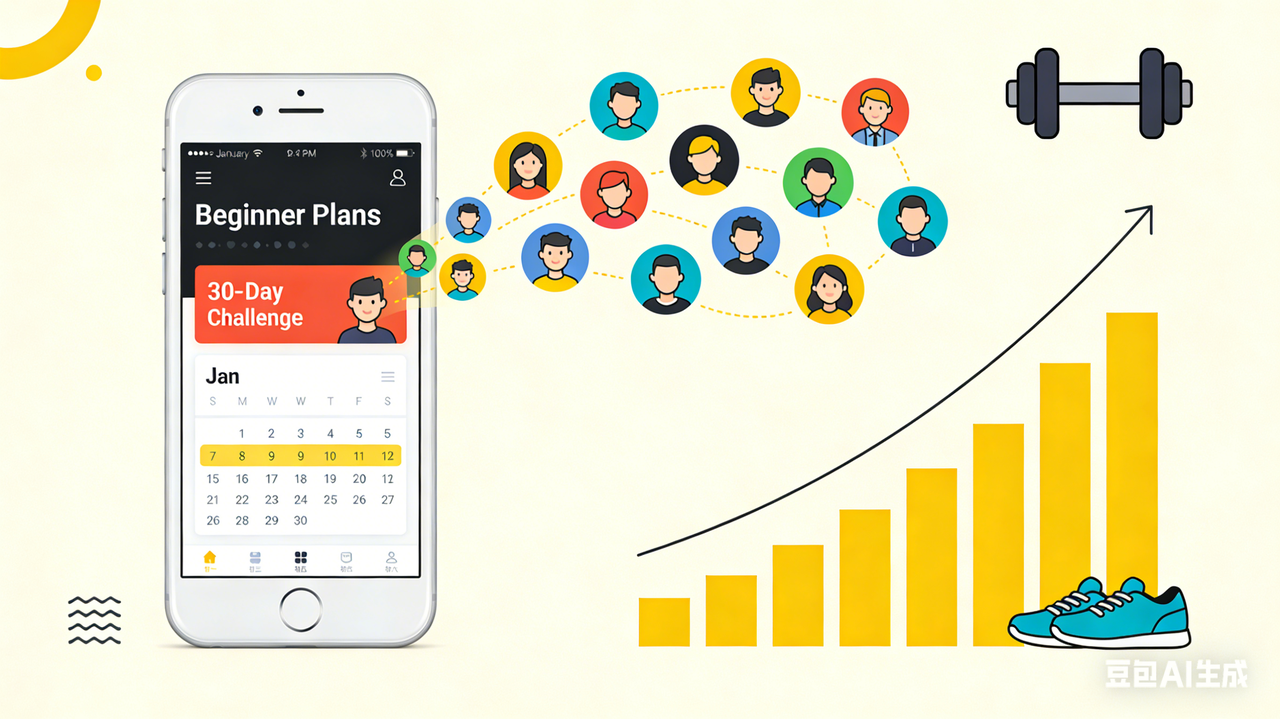
While CPMs and CPAs rise due to competition, conversion rates and retention also improve. This is why leading apps often over-invest in Q1 to capture high-LTV users.
To fully capture this demand, product and media must align:
Acquisition:
• Balance scale and saturationCore social channels drive volume, but increasing spend leads to higher frequency and diminishing returns.
• Extend reach with programmaticUse it to access incremental inventory and new audiences, rather than overloading saturated channels.
• Optimize beyond installsFocus on deeper events (e.g., trial start, early engagement) to capture higher-value users.
Creative:
• Emphasize “new start” and personal transformation
• Highlight achievable progress (quick wins, short routines)
• Reinforce commitment (e.g., 30-day programs)
At this stage, users are not comparing features, they are responding to who they want to become.
Q2: From Motivation to Urgency
As spring and early summer approach, user intent shifts from open-ended motivation to time-bound urgency. Users focus on deadlines, getting in shape before summer and seeing results quickly.
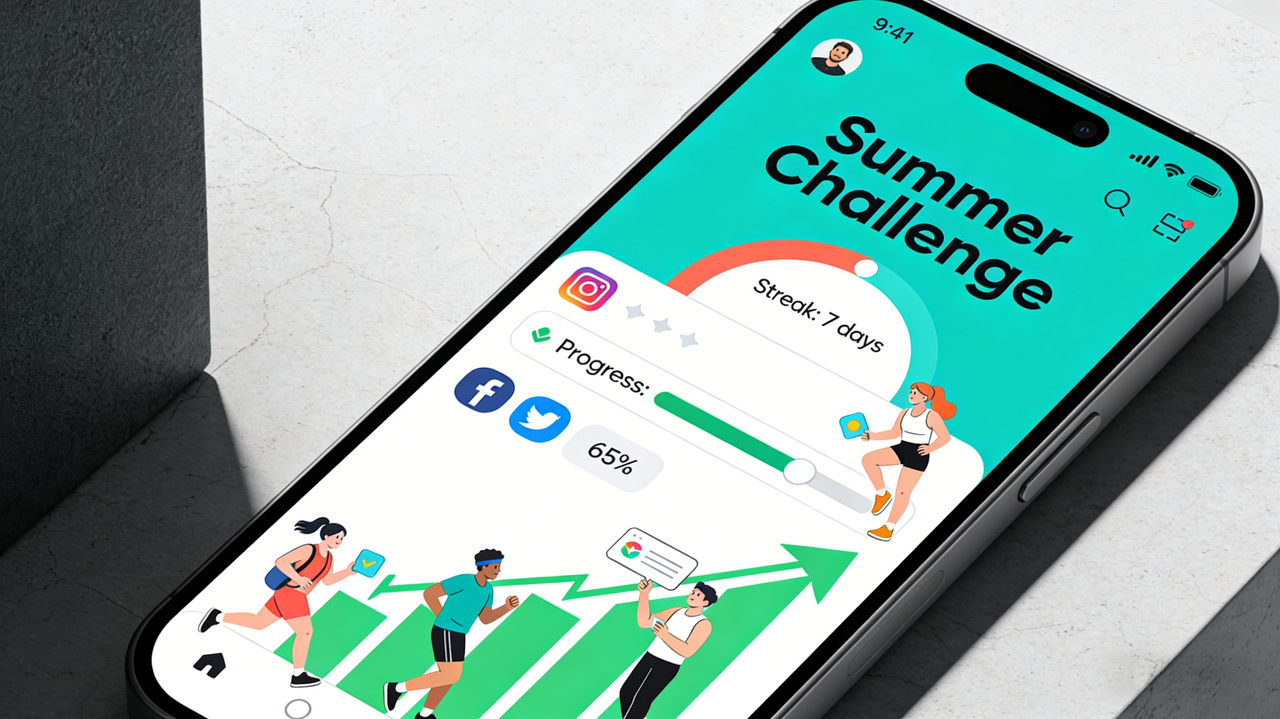
This increases friction: engagement rises, but users become more selective and conversion rates may soften.
To adapt, campaigns need more structure and reinforcement:
Campaign & Creative:
• Use time-bound programsConcepts like “30-Day Summer Shred” provide clarity and a defined goal.
• Shift to lifestyle creativesReal routines and everyday scenarios feel more relevant than polished studio content.
• Leverage creator-led storytellingAuthentic progress and usage build trust and engagement.
Channels:Programmatic plays a larger role as users need more validation:
• Sequence messaging from awareness → proof → conversion
Gradually reinforce intent across touchpoints
Optimization:
• Focus on mid-funnel events (e.g., registration, trial start)
• Reduce reliance on install-only optimization
• Align signals with actual user quality
As intent becomes more selective, structured messaging and deeper optimization help convert higher-quality users.
Q3: Efficiency and Re-engagement
Q3 is often seen as slower, but it’s one of the most efficient growth periods.
User mindset becomes more practical. As routines reset after summer, fitness shifts from transformation to consistency. Messaging around efficiency, short workouts and flexible routines, tends to perform best.
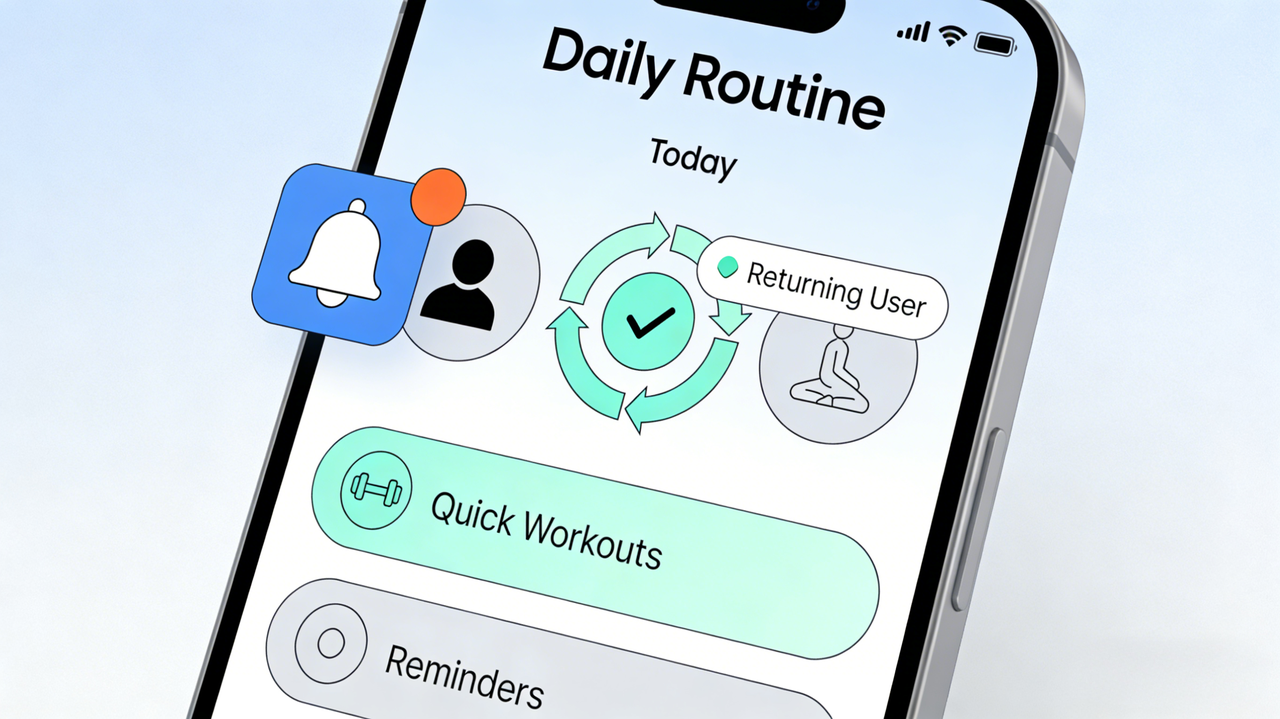
The bigger opportunity, however, is re-engagement. Many Q1 users drop off during summer but already understand the product, making them easier and cheaper to convert. As a result, reactivation often outperforms cold acquisition.
Retargeting Focus:
• Prioritize high-intent segments:
• Installed but not registered
• Registered but not subscribed
• Churned users
• Optimize toward meaningful actions, not installs
Acquisition Strategy:
• Shift from volume to efficiency
• Focus on higher-quality users
• Adjust bidding to reflect ROI over scale
In Q3, growth comes less from new reach and more from converting users already in the system.
Q4: From Performance to Balance
Q4 is not a typical fitness growth period, but it offers strong opportunities when approached correctly.
User priorities shift from transformation to balance, maintaining progress, managing stress, and staying consistent during the holidays. Messaging should reflect flexibility, recovery, and mental well-being.
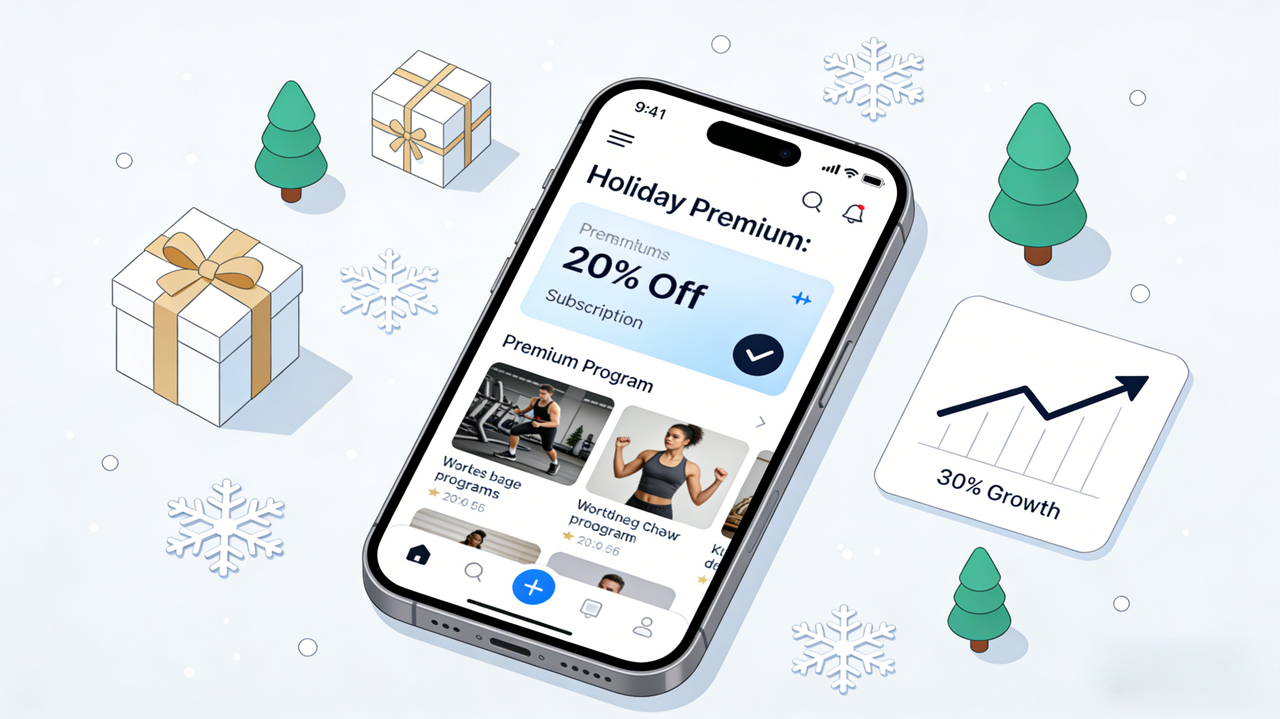
At the same time, Q4 is a key monetization window:
• Leverage moments like Black Friday to drive subscriptions
• Promote discounted annual plans and gifting options
Acquisition & Optimization:
• Shift focus from installs to revenue (e.g., subscription purchases)
• Align programmatic campaigns with lower-funnel events
Retargeting:
• Re-engage users who showed intent earlier but didn’t convert
• Use tailored messaging to drive cost-efficient conversions
In Q4, success comes from aligning with user mindset and maximizing monetization, not just driving scale.
Cross-Season Fundamentals
While strategy evolves throughout the year, several principles remain constant.
• Creative refresh is essentialFatigue sets in quickly, particularly in fitness. Seasonal alignment (indoor vs outdoor, lifestyle context) also directly impacts performance.
• UGC consistently outperforms polished adsReal user stories and routines build trust more effectively than studio-produced content.
• Channel diversification reduces volatilityRelying too heavily on a single platform increases exposure to cost fluctuations and audience saturation.
• User value is seasonalA January user is fundamentally different from a July user. Acquisition strategy and bidding should reflect these differences in expected LTV.
Conclusion
In Health & Fitness, the calendar is not just context, it is a core part of the growth system.
User motivation evolves throughout the year, moving from ambition to urgency, from structure to balance. Each phase requires a different combination of messaging, channel strategy, and optimization approach.
The key is not just to respond to these changes, but to plan for them in advance. Teams that align their acquisition system including programmatic, creative strategy, and funnel optimization, with these behavioral cycles can turn seasonality from a source of volatility into a predictable driver of growth.
And once that happens, scaling becomes far more consistent and controllable.
more posts
Programmatic Campaign Underperforming? 5 Data-Driven Fixes to Rescue ROAS in 2026
August. 31 2026
LEARN MORE

Beyond Google UAC: Rethinking Growth Strategies for Mobile Game Publishers in a Maturing Market
July. 21 2026
LEARN MORE
AI’s Impact on Gaming, Short Drama, and Live Commerce Advertising: Why Traffic Reallocation Is Reshaping App Growth
June. 15 2026
LEARN MORE
Middle East / Southeast Asia / LATAM: Regional Growth Differences & Strategy Guide for Mobile Apps
June. 08 2026
LEARN MORE